Why Puzzle Games Are a Popular Choice for Kids
Puzzle games have long been a staple in children's play, captivating young minds with their intriguing challenges and rewarding solutions. Their popularity, persisting through generations, can be attributed to their unique blend of entertainment and educational benefits. In this article, we will explore why puzzle games are such a popular choice for kids, delving into the cognitive, developmental, and emotional advantages they provide.
Cognitive Development
.png)
One of the primary reasons puzzle games are popular among children is their impact on cognitive development. Puzzles require kids to think critically and solve problems, skills that are crucial in academic and real-life situations. When children work on a puzzle, they learn to recognize patterns, understand spatial relationships, and develop reasoning skills. These activities stimulate brain function and can lead to improved memory and higher cognitive processes.
For instance, when a child is trying to fit different pieces of a jigsaw puzzle together, they are engaging in what psychologists refer to as 'trial and error' learning. This method not only enhances their problem-solving skills but also promotes mental flexibility, allowing them to adapt their strategies based on the results of their previous attempts.
Enhancing Concentration and Attention
Puzzles are an excellent tool for improving a child’s concentration and attention span. The process of searching for the right piece or solving a complex problem requires focused attention, which can be quite challenging for young children. However, the engaging nature of puzzles ensures that they remain interested and motivated to complete the task, thereby enhancing their ability to concentrate over extended periods.
This enhanced concentration can translate into better performance in school, particularly in subjects that require sustained mental effort, such as mathematics and science. Moreover, the patience and persistence needed to solve puzzles can help children develop resilience and determination in facing other challenges in life.
Educational Benefits
Puzzle games are inherently educational. They often involve numbers, letters, colors, and shapes, which are fundamental elements in early childhood education. For younger children, simple puzzles that involve matching colors or shapes can help in the recognition of these basic concepts. As children grow older, more complex puzzles with themes or educational content can introduce new vocabulary, historical events, or scientific facts.
This educational aspect is subtly woven into the fun of the game, making learning a natural and enjoyable part of the process. For example, a puzzle game based on geography can teach children about different countries and their landmarks, while a puzzle involving animal pieces can introduce them to various species and their habitats.
Social Skills Development
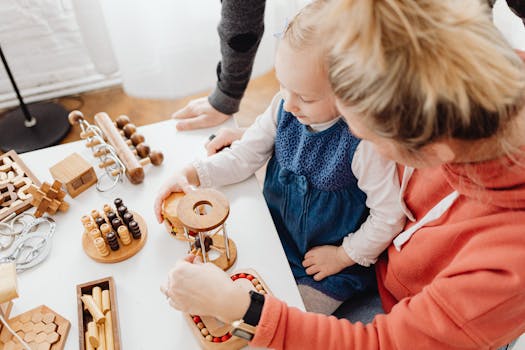
Although often seen as a solitary activity, puzzles can be very social. Working on puzzles with family members or friends allows children to develop important social skills such as teamwork, cooperation, and communication. During these interactions, children learn to share, take turns, and support one another towards a common goal.
This social dimension of playing puzzle games can be particularly beneficial for children who are shy or have difficulties in social settings. It provides a structured way of interacting with others, which can help in building confidence and improving social skills.
Emotional Benefits
Completing a puzzle provides a sense of accomplishment and satisfaction, which can be a significant boost to a child's self-esteem and confidence. This positive reinforcement encourages them to take on new challenges and believe in their capabilities. Furthermore, the calming nature of solving puzzles can serve as a stress reliever, providing a peaceful retreat from the high-energy activities that dominate many children’s lives.
Choosing the Right Puzzle Games
When selecting puzzle games for children, consider their age and developmental stage. Simple puzzles with large pieces are suitable for toddlers, while older children may enjoy more complex challenges like crosswords, Sudoku, or even digital puzzle games. The key is to find puzzles that are challenging enough to keep them engaged but not so difficult that they become frustrating.
In conclusion, puzzle games are a popular choice for kids not only because they are fun but also because they offer numerous benefits that support children’s cognitive, educational, and emotional development. They equip children with essential life skills, such as problem-solving, patience, and perseverance, making them an invaluable part of childhood education. Whether traditional or digital, puzzles are a great way to enhance learning and development in a playful and engaging manner.