Puzzle games, often perceived merely as leisure activities, actually encompass far more than just entertainment. These games engage players in problem-solving and cognitive challenges, offering a wealth of benefits that extend into mental development, emotional well-being, education, and even therapeutic applications.
Puzzle games are phenomenal at enhancing cognitive functions. Engaging with puzzles requires the use of critical thinking, problem-solving, memory, and pattern recognition skills. Regular interaction with these games can improve mental agility and encourage the formation of new neural connections. For instance, playing games like Tetris or Sudoku demands logical thinking and strategic planning, which are beneficial not only within the game but in real-life decision-making scenarios as well.
.png)
Educational Tools
Beyond cognitive development, puzzle games are valuable educational resources. They often incorporate mathematical challenges, language skills, and general knowledge, making learning enjoyable and interactive. This is particularly advantageous for children, as educational puzzle games can help instill a love for learning and improve specific skills like vocabulary, language, and mathematics. By integrating learning and play, these games ensure that educational goals are met in an engaging and effective manner.
Emotional Health
Puzzle games also have significant emotional benefits. They offer an escape from the stresses of daily life, providing a focus that can help reduce anxiety and stress. Completing puzzles delivers a sense of accomplishment, boosting self-esteem and promoting emotional resilience. Furthermore, the challenges presented in these games encourage persistence and patience, traits that are invaluable in personal development.
Social Interaction
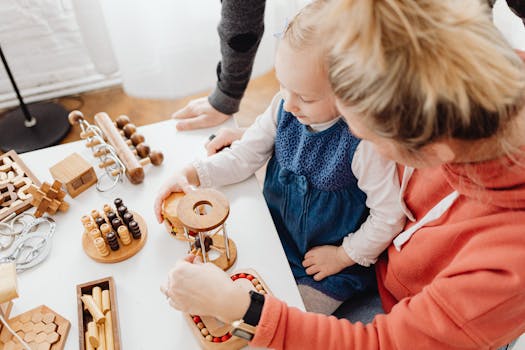
Although many puzzle games are designed for individual play, they often include features that allow for social interaction, such as multiplayer capabilities or online communities. These features enable players to compete, share strategies, and discuss game challenges, fostering social connections and enhancing mental health. Family-friendly puzzle games encourage participation from members of all ages, promoting teamwork and communication within the family unit.
Therapeutic Use
From a therapeutic standpoint, puzzle games have proven useful in various treatment settings, including for patients with brain injuries, dementia, or depression. These games can help improve motor skills, enhance cognitive flexibility, and potentially slow the progression of cognitive decline. Therapists often utilize puzzle games to assess and monitor a patient’s cognitive abilities and adjust therapeutic interventions accordingly.
Conclusion
In summary, puzzle games offer much more than mere entertainment. They are a multifaceted tool that supports cognitive development, educational enhancement, emotional well-being, and social interaction. They also serve therapeutic purposes, aiding in rehabilitation and mental health care. Whether incorporated into daily routines, educational systems, or therapeutic practices, puzzle games provide significant benefits that enhance various aspects of life. The next time you engage in a puzzle game, remember that you are not only entertaining yourself but also improving your mental, emotional, and social skills.