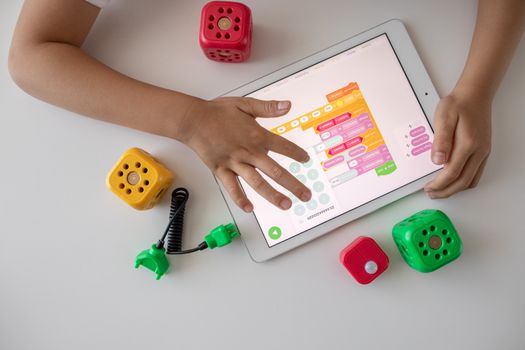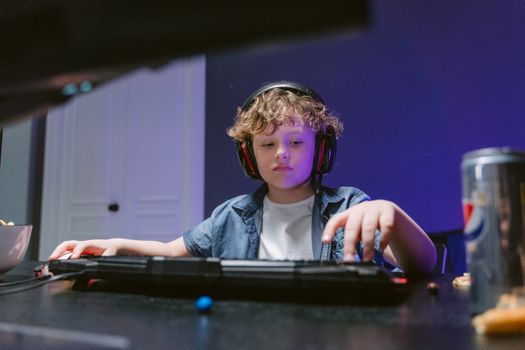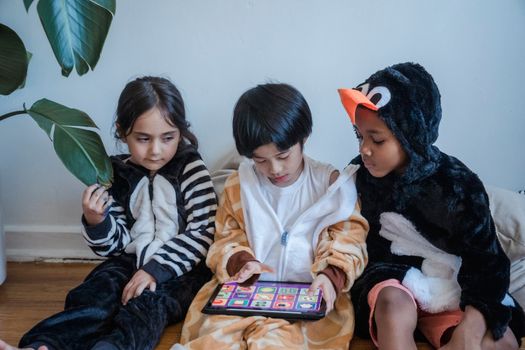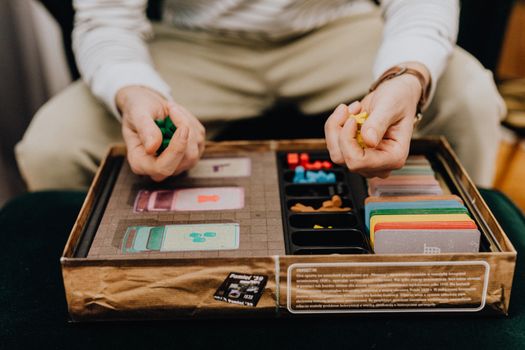
Online games have become a global phenomenon, drawing in over 3.2 billion players worldwide as of 2023, according to Statista. While much of the discussion around online gaming focuses on entertainment or competitive play, there’s an emerging recognition of a deeper value: the way these games foster creativity and collaboration. From building virtual worlds to orchestrating complex team strategies, online games are quietly shaping a new generation of creative thinkers and effective collaborators. In this article, we’ll explore how online games promote creativity and collaboration among players, using real-world examples, statistics, and expert insights.
The Creative Power of Online Gaming
Online games are more than just digital playgrounds; they are powerful engines for creativity. Unlike traditional games with fixed rules and limited scenarios, many online games offer open-ended experiences that encourage players to experiment, invent, and express themselves in unique ways.
For example, Minecraft, the best-selling video game of all time with over 238 million copies sold, serves as a virtual canvas where players can construct anything from simple houses to complex machines and entire cities. Its creative mode removes survival constraints, allowing pure focus on building and design. This form of open-ended play has been linked to increased problem-solving skills and spatial reasoning.
.png)
Research from the University of California, Irvine, found that students who played Minecraft showed significant improvement in their ability to visualize and manipulate objects in three-dimensional space—a key indicator of creative thinking. Similarly, games like Roblox, with over 70 million daily active users, empower players, including children, to design their own games and share them with a global audience, fostering both creativity and digital literacy.
Collaboration in Virtual Worlds: Teams, Guilds, and Alliances
Collaboration is at the heart of many online multiplayer games. Whether players are joining forces to defeat a powerful boss in World of Warcraft or coordinating strategies in an esports tournament, teamwork is essential for success.
Massively multiplayer online role-playing games (MMORPGs) such as Final Fantasy XIV and Guild Wars 2 are prime examples. Players form guilds or alliances, each member bringing unique skills to the table. Tasks are often too challenging for solo play, necessitating cooperation, communication, and leadership. According to a 2022 survey by the Entertainment Software Association, over 65% of gamers reported playing with others online, highlighting the inherently social nature of modern gaming.
These collaborative environments mirror real-world workplaces, where diverse teams must work together to reach common goals. In-game communication tools—voice chat, text, and emotes—help players coordinate complex tasks, resolve conflicts, and celebrate victories. This fosters essential soft skills, such as active listening, negotiation, and empathy.
How Game Design Encourages Creative Problem-Solving
The structure of many online games is intentionally designed to stimulate creative problem-solving. Unlike linear games with single-solution puzzles, online titles often present dynamic challenges that can be tackled in multiple ways. Players must adapt, innovate, and think outside the box to succeed.
Take the popular game Fortnite, played by over 400 million registered users. Its “Battle Royale” mode drops players onto an ever-shrinking battlefield, where victory depends not just on shooting skills but also on building structures, devising ambushes, and leveraging the environment. Players constantly invent new strategies, sharing them with others and learning collaboratively.
Sandbox games, like Garry’s Mod, give players a suite of tools and few rules, encouraging experimentation and user-generated content. In fact, Garry’s Mod’s modding community has created over 1.5 million add-ons, ranging from mini-games to visual art installations.
The table below compares how different genres of online games support creativity and collaboration:
| Game Genre | Creativity | Collaboration | Notable Examples |
|---|---|---|---|
| Sandbox/Building | Very High | Medium-High | Minecraft, Roblox |
| MMORPG | Medium | Very High | World of Warcraft, Final Fantasy XIV |
| Battle Royale | High | High | Fortnite, Apex Legends |
| Puzzle/Strategy | High | Medium | Portal 2, Among Us |
| MOBA (Multiplayer Online Battle Arena) | Medium | Very High | League of Legends, Dota 2 |
User-Generated Content: Players as Creators
A defining feature of many online games is the ability for players to create and share their own content. User-generated content (UGC) transforms gamers from passive consumers to active creators, further enhancing creativity and collaborative skills.
Roblox stands out in this area, with over 40 million user-generated games available on its platform. Players use Roblox Studio, a suite of creative tools, to design games, virtual events, and interactive experiences. The platform’s revenue-sharing model has led to over 2 million developers earning money from their creations, with top creators making over $1 million annually.
Similarly, games like LittleBigPlanet and Dreams offer robust creation suites, enabling players to design levels, characters, and even music. Sharing these creations with the community fosters collaboration, as players give feedback, remix content, or collaborate on larger projects.
According to a report from Newzoo, 41% of gamers in the US have created or customized content within a game, demonstrating the widespread appeal of creative participation.
Online Games as Social Laboratories
Beyond building and battling, online games serve as social laboratories where players experiment with identities, leadership styles, and group dynamics. Virtual environments provide a low-risk setting to practice communication and collaboration, especially for those who may feel shy or marginalized in real-life contexts.
Research from the Pew Research Center highlights that 78% of teen gamers use online games as a way to connect with friends, and 52% report making new friends through gaming. These interactions often cross geographic, cultural, and linguistic boundaries, fostering a broader sense of community and global citizenship.
Events such as in-game concerts, collaborative puzzles, or giant server-wide quests showcase the power of large-scale collaboration. In April 2020, Fortnite hosted a virtual concert by rapper Travis Scott, attracting over 12.3 million concurrent players—a testament to the social and creative possibilities of online gaming.
Educational Applications: Harnessing Games for Learning
Educators and researchers are increasingly leveraging online games to promote creativity and collaboration in classroom settings. Game-based learning platforms like Classcraft and Minecraft: Education Edition are specifically designed to engage students in team-based challenges, creative projects, and problem-solving exercises.
A 2021 study published in the journal “Computers & Education” found that students who engaged in collaborative online gaming displayed higher levels of creative thinking and teamwork compared to peers who used traditional learning tools. Teachers report that these platforms help break down social barriers, motivate students, and provide instant feedback.
Moreover, online games are being used in fields like medicine, engineering, and business to simulate real-world scenarios that require creative solutions and collaborative effort. For example, Foldit, an online puzzle game, has allowed players to contribute to important scientific discoveries by solving complex protein-folding problems—something even supercomputers have struggled with.
The Lasting Impact: How Online Games Shape Creative Collaborators
The evidence is clear: online games are more than simple pastimes. They are powerful platforms for developing creativity and collaboration, skills that are increasingly essential in the 21st-century workplace and society. From constructing virtual worlds to navigating complex social ecosystems, gamers are honing abilities that translate beyond the screen.
In a world where innovation and teamwork drive progress, the lessons learned in online games are invaluable. As game technologies continue to evolve, we can expect even greater opportunities for creative expression and collective achievement. Encouraging participation in such games, whether for fun, education, or professional development, can yield benefits that extend far beyond entertainment.