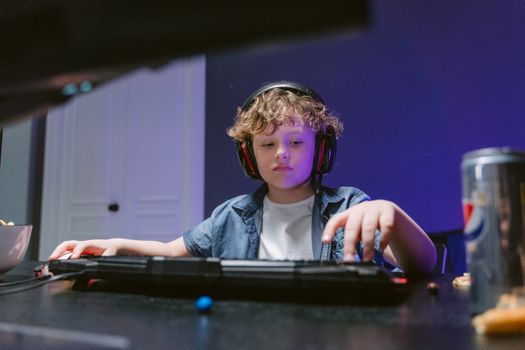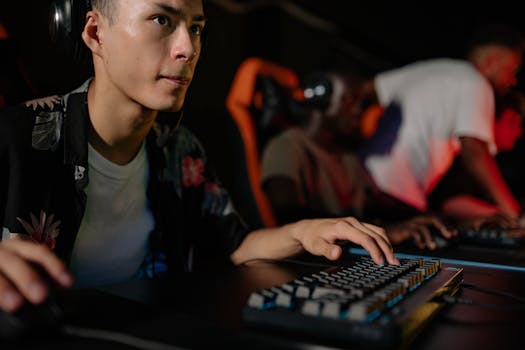
Online gaming is more than just a pastime—it's a booming global phenomenon. According to Newzoo’s 2023 Global Games Market Report, over 3.3 billion people worldwide play games, and the industry generated $184.4 billion in revenue last year. But what truly separates the casual gamer from the champion? The answer lies in strategy, mindset, and learning from the best. In this comprehensive guide, we’ll uncover the best strategies for success in online games, sharing tips inspired by professional players across genres. Whether you’re aiming for the esports podium, climbing ranked ladders, or simply dominating your next match with friends, these insights will help you play smarter, not just harder.
The Pro Mindset: Building a Foundation for Gaming Success
Before diving into specific tactics, it’s crucial to understand the mindset that top online gamers cultivate. Professional players across games like League of Legends, Fortnite, and Counter-Strike: Global Offensive (CS:GO) often attribute their achievements not just to skill, but to discipline and mental resilience.
First and foremost, pros treat gaming as a craft. They set clear goals, whether that’s reaching a certain rank, improving a particular skill, or mastering a new character. According to a 2022 survey by the Esports Research Network, 71% of professional gamers practice deliberate goal-setting and track their progress over time.
.png)
Another cornerstone of the pro mindset is adaptability. Online games update frequently, introducing new mechanics, characters, and balance changes. Adapting quickly—rather than clinging to outdated habits—keeps you ahead of the competition. Pro players also embrace failure as a learning opportunity: reviewing losses, identifying mistakes, and focusing on improvement rather than frustration.
Lastly, pros prioritize their physical and mental health. Regular breaks, ergonomic setups, and consistent sleep schedules are all cited by top athletes like Faker (League of Legends) and s1mple (CS:GO) as essential for peak performance. The takeaway? Success starts with the right attitude, persistence, and a holistic approach to self-care.
Mastering Game Knowledge: The Edge of Information
One of the most overlooked strategies for success in online games is deep game knowledge. Pro players don’t just play—they study. They analyze maps, mechanics, meta shifts, and the strengths and weaknesses of every character or weapon. This approach transforms reaction-based play into calculated, strategic decision-making.
For example, in games like Dota 2 or Overwatch, knowing popular character picks and counter-picks can be the difference between victory and defeat. In 2023, the win rate for players who regularly researched patch notes and meta updates was 18% higher than those who didn’t, according to a study published by Game Analytics.
Additionally, understanding timings (like when key objectives spawn in MOBA games or when circles close in battle royales) lets you plan ahead and make smarter choices. Pros keep spreadsheets, watch patch breakdowns, and follow high-level streamers to stay informed.
To build your own game knowledge:
- Read official patch notes and forums - Watch pro tournaments and analyze top players’ strategies - Use community resources like wikis and guides - Practice in custom or training modes to test new mechanicsThe more you know, the more you can anticipate and outplay your opponents.
Teamwork and Communication: Winning Together
No matter how skilled you are individually, online games are often won or lost by teams. Titles like Valorant, Rocket League, and Rainbow Six Siege all require seamless coordination and communication. According to Riot Games, teams that actively communicate during matches have a 22% higher chance of winning.
Professional teams invest hours in developing shot-calling systems, shorthand language, and clear roles for each member. Even in solo queue or pickup games, effective communication—pings, callouts, and positive encouragement—can turn the tide of battle.
Here’s how you can level up your teamwork:
- Use a quality headset and microphone for clear voice comms - Develop concise callouts for maps and objectives - Stay positive: constructive feedback beats blame or negativity - Study pro team play to understand rotations, support roles, and clutch strategiesIn short, playing as a unit will almost always outperform a group of solo stars.
Technical Optimization: Gear and Settings Matter
While skill and strategy matter most, your gaming setup can provide a critical edge. Top players know that even milliseconds of lag or a poorly configured mouse can decide the outcome of a high-stakes match.
Here’s a comparison of how pros optimize their setups compared to casual players:
| Aspect | Pro Players | Casual Players |
|---|---|---|
| Refresh Rate | 144Hz – 360Hz monitors | 60Hz monitors |
| Mouse DPI | 400–800 DPI (customized) | 1200+ DPI (default) |
| Internet Connection | Wired Ethernet, 50+ Mbps | WiFi, variable speed |
| Audio Setup | High-fidelity headset, surround sound | Basic headphones or speakers |
| Graphics Settings | Optimized for performance (low/medium) | Optimized for visuals (high/ultra) |
A few actionable tips:
- Lower in-game graphics settings to reduce input lag - Use a wired connection to minimize latency - Adjust mouse sensitivity to what feels comfortable and accurate for you - Invest in an ergonomic chair and desk to prevent fatigueWhile you don’t need the most expensive gear, a few smart adjustments can make gameplay smoother and more responsive.
Analyzing Gameplay: The Power of Reflection and Review
One habit that sets pros apart is the regular review of their own gameplay. Top esports athletes and streamers often spend as much time watching replays as they do playing matches. This practice uncovers hidden mistakes, patterns, and opportunities for growth.
According to research by the University of York in 2021, players who reviewed replays improved their in-game ranking 27% faster than those who did not. The key is to analyze both victories and defeats—identifying what worked, what didn’t, and why.
Tips for effective self-analysis:
- Save and review your most recent games, focusing on key moments - Ask yourself: Was my positioning optimal? Did I use abilities or resources efficiently? - Watch pro player VODs in the same role or character for comparison - Set one or two improvement goals after each review sessionOver time, this will help you develop intuition and better decision-making under pressure.
Adapting to Different Game Genres: Tailoring Your Approach
Success in online games isn’t “one size fits all.” Each genre demands unique strategies:
- Shooters (e.g., Apex Legends, Call of Duty): Focus on aim training, map control, and movement. Use resources like Aim Lab or Kovaak’s for practice. - MOBAs (e.g., League of Legends, Dota 2): Prioritize macro play (objectives, rotations) and champion pool mastery. - Battle Royales (e.g., Fortnite, PUBG): Master landing locations, loot routes, and adaptability to random elements. - Card Games (e.g., Hearthstone, Magic Arena): Study deck archetypes, probability, and bluffing tactics. - Sports/Fighting Games: Learn combo timings, matchup specifics, and mind games.The best players cross-train—borrowing tactics from other genres to keep their skills sharp and adaptable.
Final Thoughts: Level Up with Pro Strategies in Online Games
Online gaming success is a blend of knowledge, mindset, teamwork, technical optimization, and reflection. While there’s no shortcut to mastery, adopting the habits of professional players can accelerate your progress and make your gaming experience more rewarding. Whether you’re a weekend warrior or an aspiring pro, these strategies will help you compete at your best—and enjoy the journey along the way.
Remember: the world of online games is always evolving. Stay curious, keep learning, and most importantly, have fun. The next breakthrough in your gameplay could be just one strategic insight away.