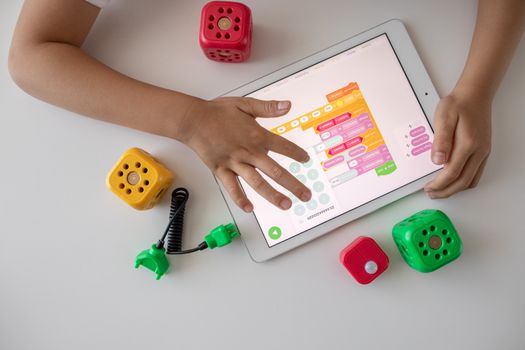
Online games are more than just a source of entertainment for children—they can also serve as powerful tools for cognitive development, particularly when it comes to logical thinking. In an age where digital literacy is vital, harnessing the right online games can nurture reasoning skills, pattern recognition, and problem-solving abilities in young minds. This article dives deep into the world of online games designed specifically to develop logical thinking in children, highlighting the best options, why they work, and how to choose games that match your child’s needs.
The Science Behind Logical Thinking and Online Games
Logical thinking is the process of using reasoning consistently to come to a conclusion. It’s a cornerstone of learning, influencing how children approach math, science, language arts, and even social situations. According to a 2023 study by the American Psychological Association, children who regularly engage in logic-based games exhibit a 28% improvement in pattern recognition and problem-solving speed over six months, compared to their peers who do not.
Online games uniquely combine interactivity and instant feedback, creating an engaging environment for children to practice and refine their logical reasoning. Many games present puzzles or challenges that require step-by-step analysis, cause-and-effect evaluation, and strategic planning—skills directly related to logical thinking.
.png)
Top Online Games to Strengthen Logical Reasoning
There are thousands of online games available, but only a select few are renowned for their effectiveness in developing logic. Here’s a list of standout titles, each offering unique approaches to fostering logical skills:
1. Lightbot (Ages 6+): Lightbot is a puzzle game based on programming logic. Players guide a robot to light up tiles using specific commands, introducing children to sequencing, loops, and conditionals—the very basics of computer science logic. 2. Thinkrolls (Ages 4-9): This physics-based puzzle game series challenges kids to navigate mazes using trial-and-error, planning, and cause-effect reasoning. Thinkrolls has over 200 puzzles, each requiring logical deduction to progress. 3. ChessKid (Ages 5+): Online chess platforms like ChessKid transform the classic game for children, teaching planning, pattern recognition, and strategic forecasting. 4. The Incredible Machine Online (Ages 7+): This game lets children build complex contraptions to solve simple tasks, fostering creative problem-solving and logical connections. 5. Prodigy Math Game (Ages 6-12): While primarily a math game, Prodigy’s battle-based gameplay is built on logical puzzles and tactical decision-making.How Online Games Teach Logic: Key Mechanisms
Online logic games don’t just entertain—they use specific techniques to enhance reasoning skills:
- $1: Many games, like Lightbot and Thinkrolls, start simple and gradually become more complex. This scaffolding helps children build confidence and advance their logical thinking step by step. - $1: Games provide instant results, allowing children to recognize mistakes and adjust their strategies in real time. For example, in The Incredible Machine Online, a failed contraption teaches as much as a successful one, encouraging experimentation. - $1: Some games allow multiple solutions. ChessKid, for instance, offers countless ways to approach each match, promoting flexible thinking and adaptability. - $1: Online games use engaging graphics and hands-on controls, making abstract logical concepts tangible.Comparing Popular Logic-Boosting Online Games
Choosing the right game depends on your child’s age, interests, and learning style. The table below compares key features of five leading online logic games for children:
| Game | Recommended Age | Core Logic Skills | Platform | Free Version? |
|---|---|---|---|---|
| Lightbot | 6+ | Sequencing, Pattern Recognition | Web, iOS, Android | Yes (basic levels) |
| Thinkrolls | 4-9 | Cause & Effect, Planning | iOS, Android | No (paid app) |
| ChessKid | 5+ | Strategic Thinking, Pattern Recognition | Web, iOS, Android | Yes |
| The Incredible Machine Online | 7+ | Problem Solving, Logical Connections | Web | Yes |
| Prodigy Math Game | 6-12 | Logic, Math Reasoning | Web, iOS, Android | Yes (premium available) |
Benefits of Logical Thinking Games Beyond the Screen
While the immediate goal of these games is to enhance logical reasoning, their benefits extend far beyond game time:
- $1: A 2022 report by Education Development Trust found that students who engage in logic-based gaming for at least 30 minutes, three times a week, show a 15% improvement in standardized math scores. - $1: Children learn to break down large problems into smaller, manageable parts—an essential skill in both academics and daily life. - $1: Logical games often require multiple attempts, fostering resilience and a growth mindset in children. - $1: Navigating and solving problems in online environments prepares children for future learning and work in an increasingly digital world.How to Choose the Best Logic Game for Your Child
With so many choices, selecting the right game can be daunting. Here are some practical tips:
- $1: Games like Thinkrolls are perfect for younger children, while Lightbot or The Incredible Machine suit older kids seeking a challenge. - $1: If your child loves stories, choose games with engaging narratives. If competition motivates them, opt for logic-based games with leaderboards or multiplayer modes. - $1: The most effective games combine solid logical challenges with enjoyable gameplay. Prodigy Math Game, for example, wraps math logic in an adventure format. - $1: Look for games with robust parental controls and minimal distractions. Platforms like ChessKid are designed specifically for children’s safety and privacy. - $1: Many games offer free basic versions—let your child try a few to see which resonate most before purchasing full versions or subscriptions.Real-World Examples: Success Stories from Logical Thinking Games
The impact of these games is more than theoretical. In 2023, a group of third-graders in Austin, Texas, participated in a pilot program using Lightbot for 20 minutes daily. After just eight weeks, their teacher reported a 40% increase in the number of students able to solve multi-step math problems independently.
Similarly, a UK-based afterschool chess club using ChessKid saw its members’ problem-solving assessment scores rise by 17% in a single term. Parents noted improvements not just in schoolwork but also in their children's ability to approach household tasks logically and with greater independence.
Key Takeaways: Nurturing Young Minds with Logic Games
Online games, when carefully selected, can be powerful allies in developing children’s logical thinking. Games like Lightbot, Thinkrolls, ChessKid, The Incredible Machine Online, and Prodigy Math Game each offer unique pathways to strengthen reasoning, pattern recognition, and problem-solving skills.
To maximize benefits, parents and educators should consider age, interests, and learning preferences, and encourage consistent, mindful play. With the right approach, logical thinking games can spark a lifelong love of learning and equip children with cognitive tools vital for success in a rapidly changing world.