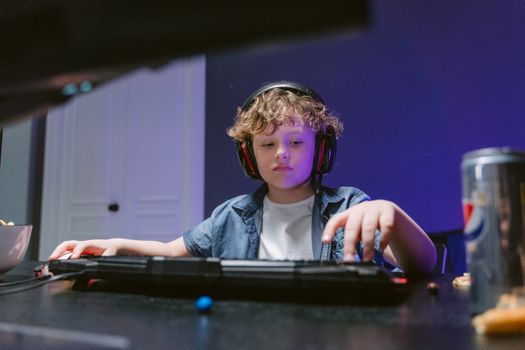
Online gaming is now a staple pastime for millions across the globe, from teenagers to adults. While the industry reports that more than 3 billion people worldwide played video games in 2023, the conversation around mental health and online gaming has grown just as rapidly. With increasing screen time and the social nature of many games, both the positive and negative effects on mental wellbeing are coming into sharper focus. So, how exactly do online games affect mental health, and what does current research say about balancing the benefits and risks?
The Positive Impacts of Online Gaming on Mental Health
It’s easy to overlook, but online gaming can significantly benefit mental health in several ways. Let’s explore these positives, supported by recent studies and real-world examples.
1. $1 Many players turn to online games as a form of escapism, finding them an effective way to unwind after a stressful day. According to a 2022 survey by Statista, 61% of gamers said they played primarily to relax and reduce stress. Immersive game worlds and engaging gameplay can shift focus away from daily worries, offering a temporary mental break. 2. $1 Online games are often social platforms where people connect, collaborate, and build friendships. In a world where loneliness is rising—one 2023 survey found that 36% of all Americans, including 61% of young adults, report feeling "serious loneliness"—the ability to connect with others virtually is invaluable. Multiplayer games, guilds, and online tournaments often foster a sense of belonging and teamwork. 3. $1 Many online games require quick thinking, strategic planning, and problem-solving. A 2018 study published in the journal "Nature" demonstrated that regular gaming can improve attention, spatial reasoning, and memory. Puzzle games, strategy titles, and competitive shooters all challenge players to think on their feet, potentially boosting cognitive flexibility. 4. $1 Online gaming often involves setbacks, losses, and learning from mistakes. Overcoming these in a low-stakes digital environment can help players develop emotional resilience and coping skills. Games with compelling narratives may also help players process real-life emotions by exploring complex scenarios and ethical dilemmas within the safety of a virtual world.The Negative Effects: When Online Gaming Becomes Harmful
Despite the many benefits, online gaming can also have detrimental effects on mental health, especially when play becomes excessive or problematic.
.png) 1. $1
The World Health Organization classified "gaming disorder" as a mental health condition in 2018, characterized by impaired control over gaming and increasing priority given to gaming over other activities. Recent studies estimate that between 1% and 10% of gamers may experience symptoms of gaming disorder, such as neglecting responsibilities, disrupted sleep, and withdrawal from real-life relationships.
2. $1
There is evidence linking excessive gaming to heightened levels of anxiety and depression, especially in adolescents. A 2021 meta-analysis published in "Frontiers in Psychiatry" found that problematic gaming is associated with a 2.5 times higher risk of depressive symptoms compared to non-problematic gamers. Sleep disruption, isolation, and exposure to toxic online behavior can all contribute to worsening mental health.
3. $1
Online games can expose players to harassment, bullying, and toxic language, particularly in competitive environments. According to a 2022 survey by the Anti-Defamation League, 65% of online gamers reported experiencing harassment, with 30% facing "severe abuse" such as threats or stalking. This kind of negative interaction can have lasting psychological effects, especially for younger or more vulnerable players.
4. $1
Extended gaming sessions often come at the expense of physical activity, healthy eating, and sleep. Chronic sleep deprivation, eye strain, and sedentary lifestyles are common among heavy gamers, which can, in turn, worsen mental health conditions like anxiety and depression.
1. $1
The World Health Organization classified "gaming disorder" as a mental health condition in 2018, characterized by impaired control over gaming and increasing priority given to gaming over other activities. Recent studies estimate that between 1% and 10% of gamers may experience symptoms of gaming disorder, such as neglecting responsibilities, disrupted sleep, and withdrawal from real-life relationships.
2. $1
There is evidence linking excessive gaming to heightened levels of anxiety and depression, especially in adolescents. A 2021 meta-analysis published in "Frontiers in Psychiatry" found that problematic gaming is associated with a 2.5 times higher risk of depressive symptoms compared to non-problematic gamers. Sleep disruption, isolation, and exposure to toxic online behavior can all contribute to worsening mental health.
3. $1
Online games can expose players to harassment, bullying, and toxic language, particularly in competitive environments. According to a 2022 survey by the Anti-Defamation League, 65% of online gamers reported experiencing harassment, with 30% facing "severe abuse" such as threats or stalking. This kind of negative interaction can have lasting psychological effects, especially for younger or more vulnerable players.
4. $1
Extended gaming sessions often come at the expense of physical activity, healthy eating, and sleep. Chronic sleep deprivation, eye strain, and sedentary lifestyles are common among heavy gamers, which can, in turn, worsen mental health conditions like anxiety and depression.
Who Is Most at Risk? Demographics and Vulnerabilities
Not everyone is equally affected by the mental health impacts of online gaming. Certain groups are more vulnerable to the negative consequences, while others may benefit more from the positives.
- $1 Teens and young adults are the most active gaming demographic, with 90% of individuals aged 13-24 playing online games regularly. Their brains are still developing, making them more susceptible to addiction and negative influences but also more receptive to cognitive benefits. - $1 People with anxiety, depression, ADHD, or autism spectrum disorders may turn to online games for comfort or social interaction, but are also more likely to develop problematic gaming behaviors if other coping strategies are lacking. - $1 While online gaming can provide a much-needed social outlet, those already feeling isolated may become overly reliant on virtual interactions, further reducing their engagement with the world outside of gaming.Comparing the Positive and Negative Effects: A Data Overview
To better understand the multifaceted impact of online gaming on mental health, here is a comparative data table summarizing key statistics and findings:
| Aspect | Positive Impact | Negative Impact | Key Statistic |
|---|---|---|---|
| Stress Management | Relaxation, escapism | Potential for avoidance behavior | 61% play to relax (Statista, 2022) |
| Social Interaction | Building friendships, teamwork | Exposure to cyberbullying, isolation | 65% experience harassment (ADL, 2022) |
| Cognitive Skills | Improved attention and problem-solving | Neglect of other intellectual pursuits | Regular gaming improves cognitive flexibility (Nature, 2018) |
| Emotional Health | Resilience, coping skills | Increased risk of depression, anxiety | Problem gamers 2.5x more likely to have depressive symptoms (Frontiers in Psychiatry, 2021) |
| Physical Health | Hand-eye coordination (in moderation) | Sedentarism, sleep disruption | 1-10% may develop gaming disorder (WHO, 2018) |
Strategies for Healthy Online Gaming
With both positive and negative outcomes on the table, how can individuals—and parents—encourage healthy gaming habits?
1. $1 Experts recommend limiting screen time to 1-2 hours per day for children and taking frequent breaks during longer sessions. Using built-in parental controls or third-party apps can help manage playtime. 2. $1 Balance virtual friendships with in-person interactions. Participate in family activities, sports, or hobbies outside of gaming to maintain a healthy social life. 3. $1 Select games that encourage positive social interaction, cooperation, and creativity, rather than those that foster toxic competition or exposure to harmful content. 4. $1 Be aware of changes in mood, sleep patterns, or social withdrawal that may indicate problematic gaming. Early intervention by family members or mental health professionals can prevent escalation. 5. $1 While games can be a valuable tool for relaxation and self-improvement, they should not become a primary means of escaping real-life challenges or negative emotions.The Role of Parents, Educators, and Game Developers
Addressing the mental health effects of online gaming is a shared responsibility. Here’s how different groups can play their part:
- $1 Stay informed about the games your children play, keep open lines of communication, and model healthy screen habits. Discuss both the benefits and risks of online gaming, and encourage balance. - $1 Incorporate digital literacy and mental health education into school curricula. Help students critically assess their gaming habits and recognize the signs of unhealthy use. - $1 Consider designing games with features that promote positive behavior, such as built-in time limits, anti-bullying measures, and opportunities for meaningful social interaction. Several companies now offer in-game prompts that remind players to take breaks or check in on their wellbeing.Finding Balance: Final Thoughts on Online Games and Mental Health
Online games are neither inherently good nor bad for mental health—they are tools that can be used in ways that help or harm, depending on the individual and the context. For many, online gaming offers a sense of community, mental stimulation, and a healthy outlet for stress. For others, unchecked play can lead to addiction, social withdrawal, and emotional distress.
The key is balance, awareness, and open dialogue. By setting boundaries, monitoring warning signs, and choosing games thoughtfully, individuals and families can maximize the benefits of online gaming while minimizing its risks. As the online gaming landscape continues to evolve, so too will our understanding of its complex relationship with mental health.