Choosing the Best Online Games for Children: A Comprehensive Guide for Parents
The world of online gaming is vast, vibrant, and rapidly evolving. For children, online games can offer a gateway to creativity, learning, and social interaction. However, the sheer number of options—and the potential pitfalls—can make selecting the right games daunting for parents. With approximately 91% of children aged 2-17 playing video games in the United States (NPD Group, 2020), it has never been more important for parents to make informed decisions. This guide will empower you with the knowledge and strategies to choose the best online games for your child, balancing fun, safety, and educational value.
Understanding the Benefits and Risks of Online Games
Online games can offer more than just entertainment for children. When chosen wisely, they can foster cognitive development, teamwork skills, and even improve digital literacy. For example, a 2021 Oxford University study found that moderate gaming can contribute to emotional well-being in children. Educational games can boost critical thinking, math, and language skills through engaging, interactive play.
However, the risks cannot be ignored. Some games expose children to inappropriate content, in-game purchases, cyberbullying, or interactions with strangers. According to the NSPCC (National Society for the Prevention of Cruelty to Children), 1 in 5 children have experienced online bullying or unwanted contact while gaming. Understanding both sides of the equation is crucial before making any choices.
.png)
Key Criteria for Evaluating Online Games for Kids
With thousands of games available on various platforms, a systematic approach helps filter the best options. Here are the most important criteria to keep in mind:
Age Appropriateness: Check the game’s age rating, such as ESRB (Entertainment Software Rating Board) in the US or PEGI (Pan European Game Information) in Europe. For instance, games rated "E for Everyone" are suitable for younger children, while "T for Teen" or "M for Mature" may include violence or mature themes.
Content: Read reviews and watch gameplay videos to understand what the game contains. Look for positive themes like cooperation, creativity, and problem-solving.
Safety Features: Games with robust parental controls, chat filters, and easy-to-use reporting systems are preferable. Roblox and Minecraft, for example, have specific tools for parents to manage communication and privacy.
Monetization: Beware of games with aggressive in-app purchases, loot boxes, or gambling-like mechanics. According to a Juniper Research report, global spending on in-game purchases exceeded $54 billion in 2022, much of it from “free-to-play” titles with hidden costs.
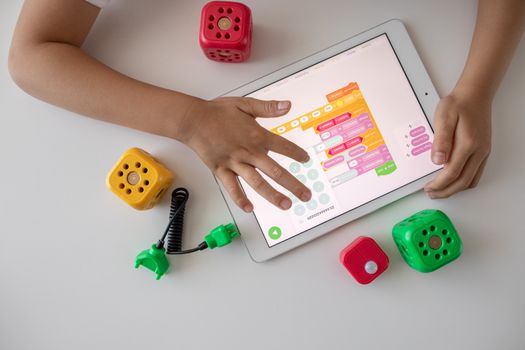
Educational Value: Seek games that offer real learning opportunities, such as math puzzles, language games, or science simulations.
Community and Social Interaction: Some games foster safe, positive social environments, while others lack moderation. Investigate whether the game’s community is well-managed.
Comparing Popular Online Game Types for Children
Online games for children come in many genres, each offering different experiences and risks. The table below compares four popular types:
| Game Type | Educational Value | Safety Features | Social Interaction | Example Titles |
|---|---|---|---|---|
| Educational Games | High | Strong (parental controls, ad-free options) | Low to Moderate (safe chat, cooperative play) | Prodigy, ABCmouse |
| Sandbox/Creative | Moderate to High | Good (parental settings, private servers) | Moderate to High (collaborative building) | Minecraft, Roblox |
| Adventure/Story-Based | Moderate | Varies (check ratings, story themes) | Low (mostly single-player with some co-op) | Lego Star Wars, Ori and the Blind Forest |
| Competitive/Action | Low to Moderate | Varies (may include reporting/blocking) | High (multiplayer, chat features) | Rocket League, Splatoon 3 |
This comparison can serve as a starting point. For younger children, educational and sandbox games are usually safest. For older kids, adventure and competitive titles may be appropriate with oversight.
How to Assess Game Safety and Parental Controls
Safety is paramount when children play online. Here’s how to assess whether a game is secure for your child:
Parental Controls: Investigate what controls are available. Can you restrict purchases, limit playtime, or block chat? For example, Nintendo Switch Parental Controls app allows parents to set play time limits and monitor activity.
Account Creation and Privacy: Some games require accounts with personal information. Choose games that offer privacy settings to hide real names and limit who can contact your child.
Moderation and Reporting: Look for games with active moderation teams and easy-to-access reporting features. Games like Fortnite have robust systems to report inappropriate behavior.
Community Guidelines and Enforcement: Are the rules clear and enforced? Some games, like Animal Crossing, have strict codes of conduct and consequences for violations.
Regular Updates and Support: Well-supported games reduce the risk of security gaps. Check the developer’s track record for updates and responsiveness.
Example: In 2023, Roblox introduced more granular parental controls, allowing parents to approve friend requests and control who can join their child’s games—an important step forward in online gaming safety.
Balancing Entertainment and Education in Game Choices
The best online games for children often blend fun and learning. According to a 2022 survey by the Joan Ganz Cooney Center, 62% of parents believe games can help children learn new skills. Here’s how to strike the right balance:
Mix Game Types: Combine purely educational games (like BrainPOP or Mathletics) with creative or story-driven titles that encourage exploration and problem-solving.
Set Clear Expectations: Talk to your child about the difference between entertainment and learning time. Set a schedule that prioritizes schoolwork and includes time for fun, educational play.
Look for Games with Learning Extensions: Many games now offer offline activities or lesson plans. Minecraft: Education Edition, for instance, includes coding lessons and historical simulations.
Monitor Progress: Choose games that track progress or provide feedback. Games like Duolingo Kids show language learning progress and reward achievements.
Encourage Social Learning: Games that allow cooperative play can build teamwork and communication skills. For example, playing a collaborative puzzle game together can strengthen family bonds while teaching perseverance.
Tips for Ongoing Parental Involvement and Open Communication
The role of a parent doesn’t end once you’ve chosen a game. Active involvement and communication are essential for a safe, positive gaming experience.
Play Together: Join your child in their favorite game occasionally. This offers insight into the game’s culture and helps you understand its appeal.
Ask Open-Ended Questions: Inquire about what your child enjoys, any challenges they face, or interactions with other players. This keeps lines of communication open and builds trust.
Discuss Online Safety Regularly: Teach children about privacy, not sharing personal information, and how to handle negative interactions. The UK Safer Internet Centre reports that 72% of children feel safer online when their parents are involved in these discussions.
Review Game Activity: Make use of parental dashboards and activity reports when available. Many platforms, such as PlayStation and Xbox, offer regular summaries of game time and friend activity.
Stay Informed: Keep an eye on gaming trends, new releases, or updates to your child’s favorite games. Online gaming communities and parent-focused websites can provide valuable insights and warnings.
Final Thoughts on Choosing Online Games for Children
Selecting the best online games for children is about more than just fun—it's about fostering growth, ensuring safety, and creating lasting positive experiences. By understanding the landscape, evaluating games with clear criteria, and remaining actively involved, parents can help their children enjoy the many benefits gaming has to offer while minimizing risks. Remember, the best choices are the ones made together, based on open dialogue and shared values. Your involvement today lays the foundation for safe, healthy, and enjoyable gaming habits that can last a lifetime.