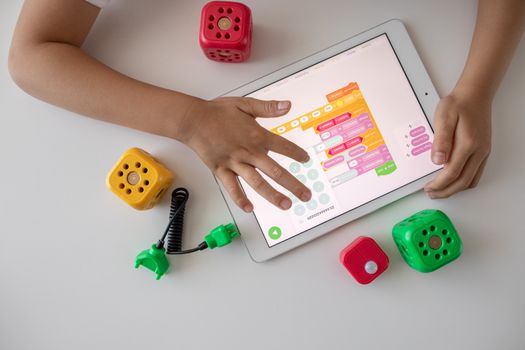
Online educational games have rapidly transformed from simple time-fillers to sophisticated learning tools that are reshaping how people of all ages acquire knowledge and skills. With over 2.7 billion gamers worldwide and a growing emphasis on digital literacy, the integration of education and play has never been more impactful. This article explores the compelling benefits of playing educational games online, highlighting how these playful platforms support cognitive growth, foster collaboration, and make learning not only effective but genuinely enjoyable.
How Educational Games Online Enhance Learning Outcomes
One of the most powerful advantages of educational games played online is their ability to make learning interactive and memorable. Unlike traditional classroom methods, which often rely on passive listening, educational games immerse players in dynamic scenarios that require active participation.
A study published by the Joan Ganz Cooney Center found that students who engaged with educational games performed up to 14% better in standardized math tests compared to those who did not. This improvement is driven by several factors:
.png) - $1: Online games provide instant responses to player actions, helping learners quickly understand mistakes and correct them.
- $1: Many platforms use algorithms to adjust the challenge level in real time, ensuring players remain engaged without becoming frustrated.
- $1: Games encourage repeated play, which reinforces learning and improves long-term memory.
- $1: Online games provide instant responses to player actions, helping learners quickly understand mistakes and correct them.
- $1: Many platforms use algorithms to adjust the challenge level in real time, ensuring players remain engaged without becoming frustrated.
- $1: Games encourage repeated play, which reinforces learning and improves long-term memory.
For example, platforms like Prodigy (math) and Duolingo (languages) leverage these principles to keep millions of learners motivated and progressing every day.
Cognitive Development: More Than Just Fun and Games
Beyond academic knowledge, educational games online offer a fertile ground for cognitive skill development. The act of playing—navigating puzzles, making decisions, and strategizing—engages critical thinking and problem-solving abilities.
Research from Stanford University highlights that children who regularly engage with educational games show improved attention spans and enhanced executive function—the mental skills involved in planning, focusing, and juggling multiple tasks. These improvements are not limited to young learners:
- $1: Games that require pattern recognition, sequence recall, or spatial navigation, such as Lumosity, are linked with better memory performance. - $1: Fast-paced games help players process information more rapidly, a skill that translates to reading and comprehension tasks. - $1: Strategy-based games teach players to weigh options, predict outcomes, and make informed decisions.For adults, brain-training games have become increasingly popular, with the global brain training market expected to reach $9 billion by 2026. This demonstrates the widespread belief in and adoption of cognitive-boosting educational games.
Social and Emotional Benefits of Online Educational Games
While the cognitive advantages are significant, the social and emotional dimensions of educational games online are equally important. Multiplayer and collaborative learning environments offer opportunities for players to connect, communicate, and grow together.
Some key benefits include:
- $1: Many educational games require players to work in teams, fostering communication skills and cooperation. For instance, Minecraft: Education Edition allows students to solve building challenges together, mirroring real-world project collaboration. - $1: Achievements, badges, and leaderboards motivate players and build self-esteem, turning small successes into stepping stones for greater confidence. - $1: Games create environments where making mistakes is part of the journey, helping learners develop resilience and a growth mindset.A 2021 report from Common Sense Media revealed that 62% of parents observed improved social skills in their children after playing educational games online. This underscores the potential of these platforms to nurture not just intellectual, but also emotional intelligence.
Accessibility and Inclusivity: Learning Without Barriers
Online educational games break down many barriers that traditional education faces. Accessible from anywhere with an internet connection, they open learning opportunities to a global audience, regardless of location or background.
Key aspects of accessibility include:
- $1: Unlike scheduled classes, online games are available anytime, allowing learners to progress at their own pace. - $1: Many high-quality educational games are free or low-cost, dramatically reducing the expenses associated with private tutoring or after-school programs. - $1: Games often allow users to customize their learning path, focusing on areas where they need the most improvement.Inclusivity is also enhanced through features such as adjustable text sizes, audio narration, and language options, making learning accessible to those with disabilities or non-native English speakers.
Comparing Online Educational Games to Traditional Learning Methods
To better understand the unique advantages of online educational games, it is helpful to compare them with conventional learning approaches. The table below outlines some key differences:
| Feature | Online Educational Games | Traditional Learning |
|---|---|---|
| Engagement Level | High (interactive, reward-based) | Variable (often passive) |
| Personalization | Adaptive, user-paced | Standardized, group-paced |
| Immediate Feedback | Yes (real-time) | Limited (delayed grading) |
| Accessibility | Global, 24/7, device-based | Location/time-bound |
| Cost | Often free or low-cost | Textbooks, tuition, materials |
| Social Interaction | Online collaboration, multiplayer | Face-to-face, group work |
As the data suggests, online educational games provide an engaging, accessible, and often more personalized alternative to traditional learning, without sacrificing opportunities for social interaction.
Success Stories: Real-World Impact of Online Educational Games
The positive effects of educational games online can be seen in real-life success stories from classrooms and homes around the world.
- $1: More than 50 million students worldwide use Prodigy to improve math skills through fantasy role-playing. Schools that integrated Prodigy reported a 21% increase in students moving up at least one proficiency level in math within a school year. - $1: Duolingo, used by over 500 million people, has been shown in independent studies to be as effective as a university semester of language classes for many users. - $1: Kahoot!’s quiz-based learning platform is used in over 200 countries and has facilitated more than 1.5 billion cumulative players, making classrooms more interactive and boosting student participation rates by up to 30%.These examples illustrate how educational games can turn learning into a global, accessible, and impactful experience for diverse audiences.
The Future of Learning: Educational Games Online
Online educational games are not just a passing trend—they represent a fundamental shift in how people learn, connect, and grow. With advancements in artificial intelligence, augmented reality, and adaptive learning technologies, these platforms are becoming even more tailored and effective.
Industry forecasts predict that the global educational games market will reach $24 billion by 2024, reflecting both the demand and the proven benefits of gamified learning. As access to technology expands, so too will the ability for learners everywhere to benefit from these engaging tools.
Looking ahead, we can expect educational games to play an even greater role in supporting lifelong learning, bridging gaps in education, and preparing individuals for the digital world.