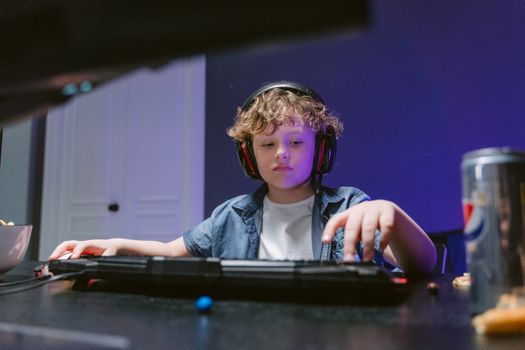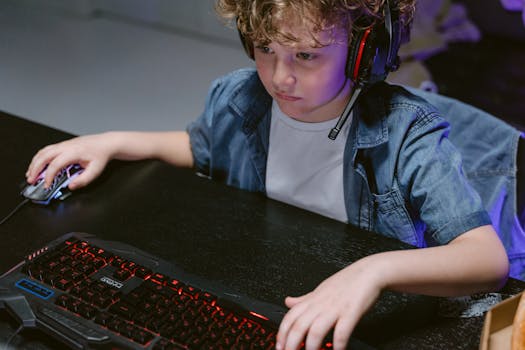
Online gaming has become a defining activity for children in the digital age. While concerns about screen time and online safety are valid, there is a growing body of research demonstrating that online games can positively influence children’s social development. More than just a pastime, these interactive environments offer unique opportunities for kids to build friendships, practice teamwork, and develop key communication skills. This article delves into how online games enhance social skills in children, featuring real-world case studies and data-driven insights to provide a balanced perspective.
The Social Potential of Online Games: Beyond the Myths
For years, online games have been stereotyped as isolating and antisocial. However, recent studies counter this narrative. According to a 2022 report from the Entertainment Software Association, 70% of parents believe video games help their children connect with friends, and 65% of parents say games provided a crucial social outlet during the pandemic.
What makes online games socially potent is their collaborative and interactive nature. Unlike solo play, many popular titles—such as Minecraft, Roblox, and Fortnite—require players to communicate, strategize, and solve problems together. These virtual playgrounds can serve as training grounds for social-emotional learning, with children negotiating roles, resolving conflicts, and celebrating shared victories.
.png)
A closer look at the mechanics of online games reveals features such as in-game chat, team quests, and player-versus-player competitions—all of which cultivate social interaction. Far from being isolated, children are often deeply engaged in communities where cooperation and communication are essential.
Case Study 1: Minecraft and the Growth of Teamwork Skills
Minecraft, with over 140 million active players worldwide, is more than just a sandbox game. It has become a hub for teamwork and collective creativity. In a 2023 study conducted by the University of Cambridge, researchers followed a group of 50 children, ages 8 to 12, who participated in a six-week Minecraft club. The objective was to observe changes in their social behavior and collaborative skills.
The children were assigned to small teams and tasked with building complex structures, each requiring communication and role delegation. Researchers found measurable improvements in teamwork. By the end of the study:
- 87% of participants reported feeling more comfortable voicing ideas in group settings - 79% demonstrated increased patience and willingness to negotiate with peers - Teachers and parents noted a 30% increase in positive peer interactions outside the gameOne child commented, “Working together in Minecraft made it easier to work together on school projects. We learned to listen and help each other.”
These findings highlight how cooperative online games like Minecraft can translate virtual teamwork into real-world social skills.
Case Study 2: Roblox and Cross-Cultural Communication
Roblox, used by over 66 million daily active users in 2024, offers a unique platform for children to interact with peers from around the globe. In a recent international case study, a group of children from Canada, Brazil, and Japan participated in a shared Roblox adventure game. The study, published in the Journal of Children and Media, focused on how online gaming environments foster cross-cultural understanding and communication.
Key findings included:
- 92% of participants reported learning new words or phrases in another language - Children adapted their communication styles, using emojis, short sentences, and visual cues to overcome language barriers - Participants expressed increased curiosity about each other’s cultures, asking questions about holidays, foods, and school lifeThis case demonstrates how online games can act as a bridge between cultures, helping children develop empathy and global awareness—skills increasingly vital in a connected world.
Comparative Data: Online Games vs. Traditional Play in Social Skill Development
To better understand the impact of online games, it is useful to compare them with traditional forms of play. While both modalities have their strengths, recent data suggest that online games offer unique benefits—especially for children who might struggle with face-to-face interaction.
| Aspect | Online Games | Traditional Play |
|---|---|---|
| Social Reach | Global; interact with peers worldwide | Local; limited to physical proximity |
| Communication Modes | Text, voice, emojis, visual cues | Face-to-face speech, body language |
| Inclusivity | Accessible for shy or neurodiverse children | May be challenging for socially anxious children |
| Structure | Clear rules and roles, often mediated by game design | Flexible, less structured |
| Skill Transfer | Encourages digital citizenship and global awareness | Encourages local social norms and etiquette |
A 2021 survey by Common Sense Media found that 54% of children who struggled with in-person socializing felt more comfortable making friends online. Online games can thus serve as a valuable supplement to traditional social experiences, especially for children facing social barriers.
Case Study 3: Fortnite and Real-Time Communication Skills
Fortnite, with more than 400 million registered users, is renowned for its fast-paced action and squad-based gameplay. But it is also a case study in real-time communication. In 2022, a collaborative project between Stanford University and a group of middle schools tracked 100 children (ages 10-14) playing Fortnite in teams over a three-month period.
The researchers measured changes in communication effectiveness using peer and teacher assessments. Key results included:
- A 40% improvement in the ability to give clear instructions under pressure - 62% of participants became more adept at interpreting tone and intent in voice chat - Teachers observed improved assertiveness and conflict resolution in classroom group workOne participant shared, “When we play Fortnite, we have to talk a lot and make quick plans. Now, I feel more confident speaking up at school.”
This case illustrates that online games demanding real-time collaboration can help children practice and refine essential communication skills that carry over into daily life.
Case Study 4: Neurodiversity, Online Games, and Social Inclusion
For neurodiverse children—including those with autism spectrum disorder (ASD) or social anxiety—online games can be transformative. A 2022 initiative by the National Autistic Society partnered with a UK-based Roblox community to create inclusive virtual clubs for children with ASD.
In a six-month pilot program involving 80 children, researchers noted significant benefits:
- 88% of participants reported feeling less anxious interacting with peers online than offline - Parents observed a 35% increase in children initiating conversations, both in-game and offline - Participants reported forming friendships that extended beyond the virtual worldThe structured, rule-based environment of online games—combined with the ability to control social exposure—enabled many neurodiverse children to practice social skills in a way that felt safe and manageable.
Guidelines for Parents: Fostering Positive Social Growth Through Online Games
While the evidence points to significant benefits, the key to maximizing positive outcomes is mindful engagement. Parents and caregivers can play a pivotal role by:
- Encouraging games that emphasize cooperation and positive interaction - Setting reasonable time limits to ensure balanced play - Joining their children in games to better understand the social dynamics - Discussing online etiquette, privacy, and safety regularly - Monitoring interactions and stepping in if bullying or negative behavior arisesAccording to a 2023 Pew Research Center poll, 61% of parents who actively participated in their children’s online gaming reported higher satisfaction with their child’s friendships and social development.
Final Thoughts: Harnessing the Social Power of Online Games
The digital landscape is rapidly evolving, and online games are now central to how children form friendships and develop social skills. As the case studies and data demonstrate, these virtual platforms can cultivate teamwork, communication, empathy, and inclusion—especially when guided by supportive adults.
Rather than viewing online gaming solely as a solitary or risky activity, recognizing its potential for positive social development is essential. By choosing appropriate games, encouraging balanced play, and being involved in their children’s online world, parents can help unlock the many social benefits that digital play has to offer.