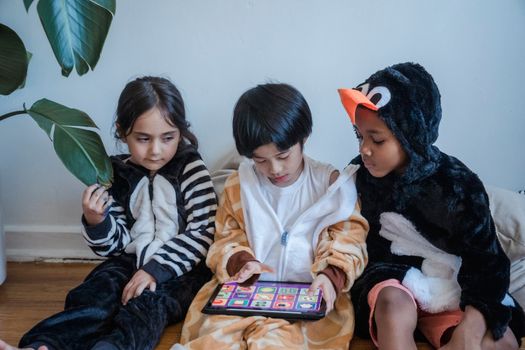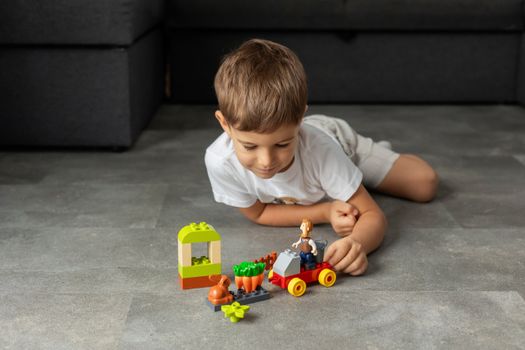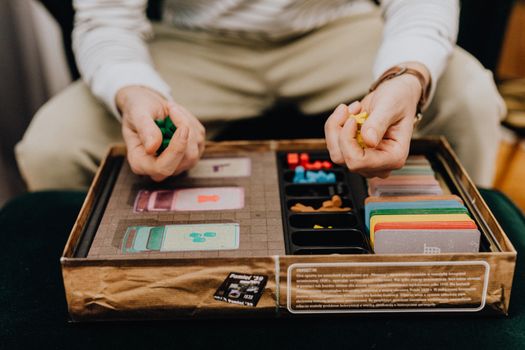
In a world where children are spending increasing amounts of time on digital and tabletop games, parents and educators often wonder about the true value of these activities. While concerns about excessive screen time are valid, there’s a growing body of evidence showing that strategic games—ranging from chess and board games to certain video games—offer substantial developmental benefits. But what exactly are the skills children build while engaging in strategic gameplay, and why do these skills matter in their academic, social, and emotional growth? Let’s dive deep into the multifaceted world of strategic games and uncover how they serve as powerful training grounds for young minds.
The Cognitive Powerhouse: Enhancing Critical Thinking and Problem-Solving
Strategic games are, at their core, mental workouts. Unlike chance-based games, strategic games require players to analyze situations, anticipate outcomes, and make decisions based on reasoning rather than luck. This process directly nurtures critical thinking and problem-solving abilities.
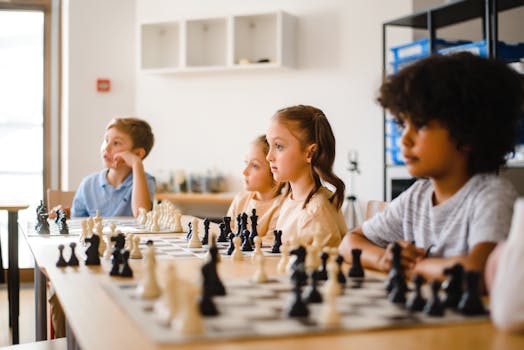
For example, in chess, children must plan several moves ahead, weighing the consequences of each action. According to a 2016 study published in the journal "Educational Research Review," children who played chess for one hour per week over six months improved their problem-solving skills by 17% compared to a control group.
.png)
Video games such as "Portal 2" and "Civilization VI" require players to solve complex puzzles or manage limited resources, forcing them to adapt strategies in real time. These experiences translate into improved cognitive flexibility, which is the ability to shift thinking and adapt to new rules or situations—a vital skill in both academic settings and daily life.
Sharpening Executive Functions: Planning, Focus, and Memory
Executive functions are the mental skills that help us manage time, pay attention, switch focus, plan and organize, and remember details. Strategic games are particularly effective at strengthening these skills in children.
Consider a game like "Settlers of Catan" or "Risk." Players must create long-term plans, adjust their strategies in response to opponents, and manage multiple objectives at once. Research from the University of Wisconsin-Madison (2019) revealed that children who played strategic board games showed a 22% improvement in their working memory and attention span compared to those who played non-strategic games.
Moreover, many strategy games require children to hold a wealth of information in their minds—such as the rules, the state of the game board, and the actions of opponents. This constant mental juggling enhances both short-term and long-term memory, supporting academic performance and everyday functioning.
Building Emotional Intelligence: Patience, Resilience, and Empathy
While strategic games are often praised for their intellectual benefits, they also provide a rich environment for emotional growth. Winning isn’t always guaranteed, and setbacks are part of the experience, teaching children resilience and perseverance.
For example, in games like "Ticket to Ride," a child might see their well-laid plans upended by an opponent’s move. Learning to cope with frustration and bounce back from disappointment is a key emotional skill. According to the American Academy of Pediatrics, children who regularly play competitive strategy games demonstrate higher emotional regulation, with 28% lower reported levels of frustration during challenges.
Additionally, multiplayer strategic games require children to interpret others’ intentions, anticipate moves, and sometimes collaborate. This process fosters empathy—understanding the perspectives and motivations of others. In cooperative games like "Pandemic," success is only possible when players work as a team, developing communication skills and emotional intelligence in the process.
Social and Communication Skills: Negotiation and Collaboration
Strategic games often involve more than one player, and the social dynamics can be as intricate as the gameplay itself. Children learn to negotiate, persuade, and collaborate with peers, all while navigating the rules of fair play.
Board games like "Diplomacy" or "Carcassonne" require players to form alliances, negotiate deals, and sometimes bluff. These interactions help children understand the basics of negotiation—how to make offers, accept compromise, and recognize when to stand firm. In fact, a 2021 survey by the Family Gaming Database found that 63% of parents reported improved communication and negotiation skills in their children after regular engagement with strategic board games.
Even in digital games, such as "Minecraft" in multiplayer survival mode, children must work together to achieve shared goals, allocating tasks and strategizing as a team. These experiences mirror real-world collaboration, preparing kids for group projects and teamwork in school and beyond.
Strategic Games vs. Non-Strategic Games: What’s the Difference?
Not all games are created equal when it comes to skill development. Strategic games differ significantly from chance-based or purely action-oriented games in the types of skills they foster. The following table compares key developmental outcomes between strategic and non-strategic games:
| Skill Area | Strategic Games (e.g., Chess, Catan) | Non-Strategic Games (e.g., Candy Land, Reflex Games) |
|---|---|---|
| Critical Thinking | High – requires analysis and planning | Low – outcomes often random |
| Problem-Solving | High – multiple solutions, adapting to obstacles | Low – limited choice, luck-based |
| Memory | Improved – rules and sequences to remember | Minimal – mostly turn-based, no recall needed |
| Executive Function | Strong – planning, focus, multitasking | Limited – simple steps, less mental juggling |
| Social Skills | High – negotiation, teamwork, empathy | Moderate – turn-taking, basic cooperation |
| Emotional Resilience | Developed – coping with setbacks, delayed gratification | Limited – fast outcomes, less investment |
As the table shows, strategic games consistently outperform non-strategic games in nurturing a broad spectrum of cognitive, social, and emotional skills.
Real-World Applications: How Strategic Game Skills Translate Beyond Play
The skills children develop through strategic games are far from confined to the family living room or classroom. They lay a foundation for success in academics, future careers, and personal relationships.
For instance, critical thinking and problem-solving are among the top skills sought by employers in the 21st-century workforce. According to the World Economic Forum’s "Future of Jobs Report 2023," problem-solving, critical thinking, and collaboration were listed among the five most important workplace skills for the coming decade.
Academic studies echo these findings. A meta-analysis from the University of Cambridge found that students who regularly engaged in strategy-based games performed up to 27% better in standardized math tests, owing to improved logical reasoning and planning abilities.
On a personal level, the ability to manage frustration, collaborate with others, and adapt strategies is invaluable for navigating the ups and downs of everyday life. Children who learn these lessons through play are better equipped to handle challenges, work with diverse groups, and persevere in the face of adversity.
Final Thoughts: The Lasting Impact of Strategic Games on Child Development
The benefits of strategic games reach far beyond entertainment. Whether on a chessboard, a family tabletop, or in a virtual world, children who engage in these activities are building cognitive, emotional, and social muscles that will serve them throughout their lives. While balance and moderation remain important, encouraging children to play strategic games can be one of the simplest—and most enjoyable—ways to nurture well-rounded, capable young minds.