Games for Developing Logical Thinking in Children: What Are the Best Options?
Helping children develop logical thinking is one of the most valuable gifts parents and educators can offer. Logical thinking is not just about solving puzzles—it’s the foundation for decision-making, problem-solving, and even creativity. In a world where technology and innovation shape the future, nurturing this skill early sets children up for lifelong learning and success. But which games are truly effective for cultivating logical reasoning? Let’s explore the best options, from time-honored classics to modern digital tools, and understand what makes each type of game a powerful ally in developing children’s logical minds.
Why Logical Thinking Games Matter for Children’s Growth
Before diving into specific games, it’s essential to understand why logical thinking should be a focus in childhood development. Logical thinking helps children:
- Analyze situations and break down problems into smaller parts. - Identify patterns and relationships, which are crucial for math, science, and reading. - Make decisions based on evidence and reasoning rather than impulse. - Build confidence in facing unfamiliar challenges.Research highlights the impact of early logic-based activities. According to a 2022 study published in the Journal of Child Development, children ages 5-8 who played logic-based games three times a week showed a 20% improvement in problem-solving tests compared to peers who did not. Another survey by the LEGO Foundation found that 62% of primary school teachers rank logical thinking as one of the top three skills for academic success.
.png)
The right games make learning logical thinking enjoyable and engaging, tapping into children’s natural curiosity and love for play.
Classic Board and Tabletop Games for Logic Development
Traditional board games have stood the test of time for a reason—they are simple to learn, fun to play, and incredibly effective at building logical thinking skills. Here are some of the best classic games for different age groups:
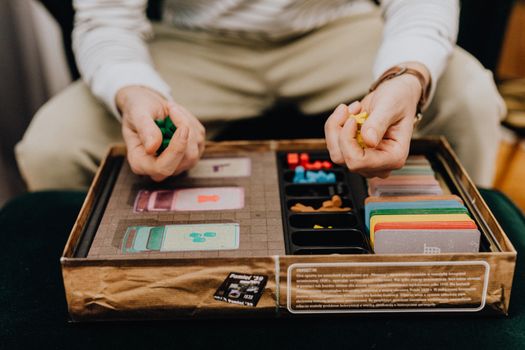
1. Chess: Often called the “game of kings,” chess requires players to think several moves ahead, weigh options, and anticipate opponents’ strategies. Research from the University of Memphis found that elementary students who played chess scored 6.4% higher on math tests than those who did not. 2. Checkers: With simpler rules than chess, checkers is ideal for younger children (ages 5+). It teaches pattern recognition, strategic planning, and the concept of cause and effect. 3. Rush Hour: This traffic-jam puzzle game is perfect for solo play and develops sequencing, spatial reasoning, and logical deduction. 4. Mastermind: In this code-breaking game, children hone deductive reasoning as they try to guess the color sequence chosen by their opponent. 5. Blokus: This colorful strategy game focuses on spatial logic and tactical planning, suitable for ages 7 and up.For families, playing these games together not only fosters logical thinking but also strengthens bonds through shared challenges and achievements.
Modern Digital Games That Sharpen Logic Skills
While classic games are invaluable, today’s digital landscape offers a wealth of new opportunities for developing logic in children. Educational apps and video games can be highly interactive, adaptive, and appealing to tech-savvy kids.
Some standout options include:
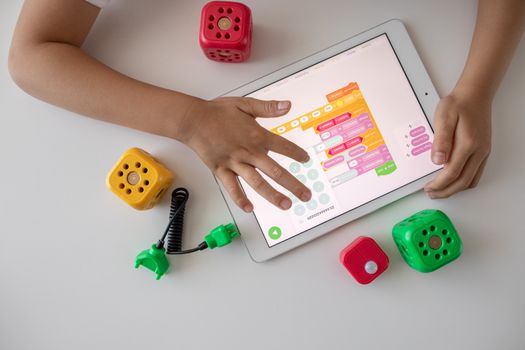
- Lightbot: A puzzle game that introduces programming logic to children as young as 5. Players use sequencing and problem-solving to navigate a robot through mazes. - Thinkrolls: Designed for ages 3-8, this app combines physics puzzles with logical reasoning, gradually increasing in complexity. - DragonBox Algebra: Targeted at ages 8 and up, DragonBox disguises algebraic concepts as fun puzzles, fostering mathematical logic from an early age. - The Room Series: These beautifully crafted puzzle games (for older children, ages 10+) challenge players to solve intricate, interconnected mysteries using logic and observation.According to a 2021 report by Common Sense Media, children who regularly play educational logic-based games on tablets and computers demonstrate a 15% improvement in critical thinking skills over six months.
Digital games also provide instant feedback, allowing children to learn from mistakes and adjust their approach in real time—a key aspect of logical development.
Hands-On and Physical Games: Building Logic Through Movement
Physical activity isn’t just for motor skills; certain hands-on games blend movement with logical thinking. These games are particularly effective for kinesthetic learners—children who learn best by doing.
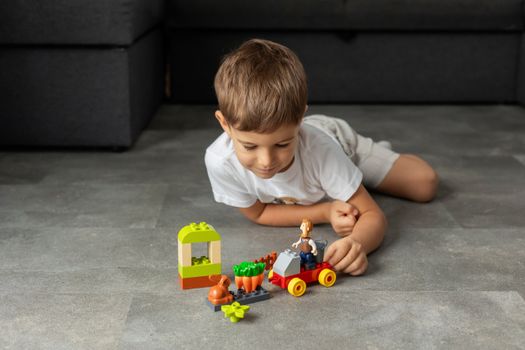
- Tangrams: This ancient Chinese puzzle consists of seven geometric pieces that children arrange to form various shapes. Tangrams are proven to boost spatial reasoning and pattern recognition. - LEGO or Building Blocks: Open-ended construction play encourages children to plan, problem-solve, and think three-dimensionally. - Simon Says: While often seen as a simple party game, Simon Says actually develops listening skills, pattern recognition, and the ability to anticipate outcomes.A 2020 study from Stanford University found that children who played hands-on logic games twice a week showed a 13% increase in spatial reasoning abilities, which are crucial for STEM learning.
These activities can easily be incorporated into classroom routines or home playtimes, making logical thinking both active and enjoyable.
Cooperative and Social Logic Games: Learning Through Teamwork
Not all logic games are about competition—some are designed to foster collaboration and collective problem-solving. Cooperative games teach children to communicate ideas, justify their reasoning, and listen to others’ perspectives, which are essential components of logical thinking.
Examples include:
- Pandemic: In this popular board game, players work together to stop global outbreaks. Strategic planning and teamwork are essential to win. - Outfoxed!: A cooperative whodunit for younger children (ages 5+), where players use logic and deduction to uncover the culprit before time runs out. - Escape Room Games for Kids: These sets provide a series of puzzles that children must solve as a team within a time limit, blending logical deduction with time management and group collaboration.According to a 2023 survey by the National Association for Gifted Children, 78% of educators observed improved logical reasoning and social skills in students who participated in cooperative logic games at least once a week.
Such games help children realize that logical thinking is not just a solitary skill, but one that thrives in a social context.
Comparing Game Types for Logical Thinking Development
Choosing the best logic games for your child depends on their age, interests, and learning style. The table below summarizes key differences among various types of logic games:
| Game Type | Ideal Age | Key Skills Developed | Example Games | Best For |
|---|---|---|---|---|
| Classic Board Games | 5+ | Strategic planning, deduction, pattern recognition | Chess, Checkers, Mastermind | Family play, foundational logic |
| Digital Logic Games | 3+ | Sequencing, adaptive problem-solving, feedback loops | Lightbot, DragonBox, Thinkrolls | Tech-savvy learners, solo play |
| Hands-On Physical Games | 3+ | Spatial reasoning, construction, cause and effect | Tangrams, LEGO, Simon Says | Kinesthetic learners, active play |
| Cooperative Logic Games | 5+ | Teamwork, communication, collaborative reasoning | Pandemic, Outfoxed!, Escape Room Games | Social development, group play |
By mixing and matching these types, parents and educators can offer a well-rounded approach to logical thinking development.
Best Practices for Integrating Logic Games Into Daily Life
Introducing logic games into your child’s routine does not have to be complicated. Here are strategies to maximize the benefits:
1. Start Early, But Adjust to Age: For toddlers, simple pattern-matching games and block play are ideal. As children grow, introduce more complex board or digital games. 2. Make It a Family Affair: Play logic games together to model strategic thinking and celebrate successes. Family game nights are a perfect opportunity. 3. Set Aside Regular Time: Consistency is key. Aim for at least two sessions of logic games per week, each lasting 20-40 minutes. 4. Encourage Reflection: After each game, discuss the strategies used, what worked, and what didn’t. This reflection cements logical thinking skills. 5. Balance Screen and Non-Screen Play: Combine digital games with hands-on and board games to offer varied learning experiences.Statistics show that children who engage in a mix of logic-based activities spend up to 30% more time on task when learning new concepts, according to a 2022 survey by the Educational Development Institute.
Final Thoughts on Games for Developing Logical Thinking in Children
Helping children develop logical thinking skills is far more than a short-term educational goal; it’s a long-term investment in their ability to tackle life’s challenges, both big and small. The best games for logical thinking—whether classic board games, modern digital apps, hands-on puzzles, or cooperative team games—offer not just fun, but real, measurable benefits for cognitive growth.
By thoughtfully selecting, rotating, and participating in these games, parents and educators can nurture children’s reasoning abilities, setting them up for academic success and confident problem-solving well into adulthood. Remember, the goal isn’t just to win the game—it’s to help children become thinkers for life.