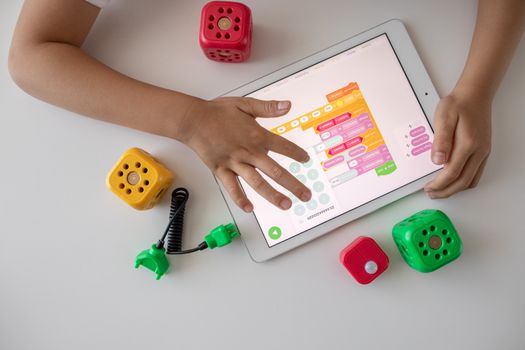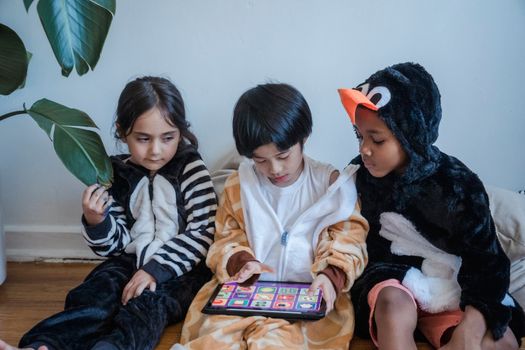
Learning a new language as a child can open doors to cultural understanding, improved cognitive skills, and increased future opportunities. In today’s digital age, educational games are transforming the way children engage with foreign languages, making language acquisition interactive and fun. But with a surge in digital and analog options, which games truly support effective language learning for kids, and what makes some stand out above the rest? This article dives deep into the world of language-learning games for children, highlighting the best options across formats, age groups, and learning styles.
The Science Behind Learning Languages Through Games
Games are more than just entertainment. Research shows that playful learning environments boost motivation, retention, and engagement—key factors in mastering a new language. According to a 2021 study published in $1, children who learned vocabulary through digital games retained 60% more words after a month compared to those using traditional methods.
Why do games work so well? Games often provide:
- Repetitive exposure: Essential for memorizing vocabulary and grammar structures. - Immediate feedback: Helps correct errors and reinforce learning. - Multisensory inputs: Combining visuals, audio, and kinesthetic actions aids comprehension. - Social interaction: Multiplayer or cooperative games encourage practical use of language. - Low-pressure environments: Mistakes are part of the fun, reducing anxiety.These benefits make games a uniquely effective tool for introducing and reinforcing foreign language skills in children of all ages.
.png)
Digital Games: Top App and Online Options for Language Learning
Digital games and apps have revolutionized how children can access and practice foreign languages. Top options draw on research-based methodologies, gamification, and engaging graphics to make language learning addictive in the best way possible.
1. $1: Tailored for ages 4-8, this free app offers bite-sized lessons in Spanish, French, and English. Its reward system and colorful interface keep young learners motivated. As of 2023, Duolingo reported over 13.2 million downloads of their kids’ app. 2. $1: This app introduces over 90 new words per language through interactive vocabulary games and animated stories. It covers more than 30 languages, making it ideal for families with diverse linguistic interests. 3. $1: Targeted at early learners, this app uses adorable monster characters to teach basic Spanish vocabulary and sentence structure through puzzles and word-building games. 4. $1: Suitable for older children (ages 8+), this app offers more than 50 mini-games focusing on vocabulary, grammar, and listening skills in Spanish, French, Italian, and more.Digital platforms often use spaced repetition, adaptive difficulty, and fun avatars to keep kids engaged. They also provide progress tracking, so parents can monitor learning outcomes.
Board and Card Games: Unplugged Language Practice
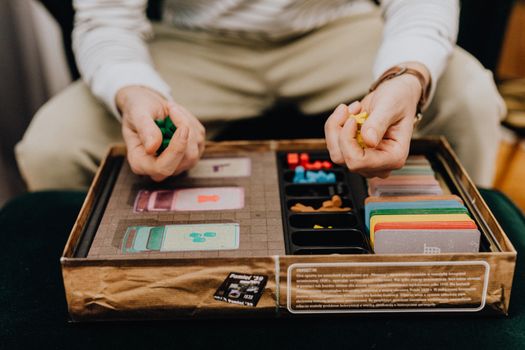
Not all effective language games require screens. Board and card games offer social interaction and tactile learning, which are crucial for language development, especially in group or family settings.
- $1: This fast-paced matching game is available in several languages. It’s great for reinforcing vocabulary and quick thinking under pressure. - $1: Specifically designed for language learners, KLOO card games help children build sentences in French, Spanish, and Italian. Players collect points by forming grammatically correct sentences, making learning competitive and enjoyable. - $1: Each card deck features vocabulary words and phrases in languages such as Japanese, Italian, and German. Perfect for travel or family game nights.A 2020 survey by the European Commission found that 74% of teachers who used board games for language lessons reported improved student engagement and faster vocabulary acquisition compared to standard classroom exercises.
Physical and Outdoor Games for Active Learners
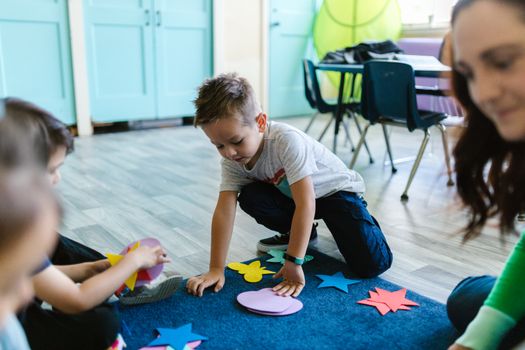
For kinesthetic learners, movement-based games can make language practice memorable and lively.
- $1: This classic game, when played in another language, encourages listening comprehension and quick responses. For example, “Simon says, touch your nose” in French becomes “Simon dit, touchez votre nez.” - $1: Create clue cards in the target language and have children find objects around the house or yard, translating and naming each as they go. - $1: Customize the Twister mat with foreign vocabulary words. Kids must listen to the instructions in the target language and place their hands or feet accordingly.Research from the University of Michigan shows that physical activity enhances language retention, with children recalling 30% more new words after movement-based lessons.
Comparing Popular Language Learning Games for Children
With so many options, how do you choose the right game for your child? Consider factors such as age range, language options, learning style, and cost. The table below highlights key features of top language-learning games:
| Game/App | Age Range | Languages Available | Format | Key Features | Cost |
|---|---|---|---|---|---|
| Duolingo Kids | 4-8 | Spanish, French, English | App | Gamified lessons, progress tracking | Free |
| Gus on the Go | 3-7 | 30+ | App | Animated stories, vocabulary games | $3.99 per language |
| KLOO | 6-12 | French, Spanish, Italian | Card Game | Sentence building, family play | $19.99 |
| Spot It! Multilingual | 5+ | Multiple | Board/Card Game | Vocabulary reinforcement, fast-paced | $9.99 |
| Endless Spanish | 3-6 | Spanish | App | Word puzzles, animated monsters | Free + in-app purchases |
This overview shows there are effective language-learning games for every budget, format preference, and language goal.
Tips for Maximizing Language Gains with Games
While games are powerful tools, their effectiveness multiplies when combined with thoughtful strategies:
- $1: Set aside 10-20 minutes daily for game-based language practice to build consistency. - $1: Combine screen-based apps with physical or social games for a well-rounded approach. - $1: Join in! Playing together allows you to model language, correct gently, and share in the fun. - $1: Use newly learned words during daily routines—label objects, ask questions, and encourage kids to use the target language at mealtimes or playtime. - $1: Many apps offer dashboards; for analog games, keep a simple vocabulary journal or sticker chart to celebrate achievements.A 2022 survey by the American Council on the Teaching of Foreign Languages showed that children whose parents participated in language games were 45% more likely to continue language study independently.
Choosing the Right Game for Your Child’s Needs
The best language-learning game is one that matches your child’s interests, learning style, and developmental stage. Here are some guiding questions:
- Is your child a visual learner or do they prefer hands-on activities? - Are you seeking solo apps or games the whole family can enjoy? - What is your target language, and are there games supporting it? - Does your child respond better to competitive or collaborative play?Trial and error are part of the process. Don’t be afraid to try several options before settling on a favorite. If possible, let your child help choose—it increases investment and enthusiasm for learning.
Final Thoughts on Games That Support Foreign Language Learning in Children
Games are transforming language learning from a chore into an adventure for children. Digital apps like Duolingo Kids and Gus on the Go offer engaging, research-backed lessons at your fingertips, while board games like KLOO and Spot It! foster social interaction and tactile learning. Movement-based games boost retention for active learners, and there’s a perfect match for every age and learning style.
When thoughtfully integrated into daily routines, these games can give children a lifelong love for languages and a solid foundation for multilingual success. As you explore options, remember that the best game is the one that sparks curiosity, laughter, and the thrill of discovering new words and worlds.