Games as a Tool for Boosting Self-Confidence and Self-Esteem in Children
Children today are growing up in an environment filled with challenges, from academic pressures to social dynamics both online and offline. While parents and educators often focus on grades and behavior, two underlying factors critically shape a child's success and happiness: self-confidence and self-esteem. Recent research and observations have shown that games—ranging from board games to digital adventures—can be surprisingly powerful tools in fostering these qualities. But how exactly do games achieve this, and what makes them unique compared to other activities? Let’s explore how structured play and thoughtfully chosen games can build a child's belief in themselves, setting the stage for lifelong resilience and well-being.
The Psychology Behind Games and Self-Belief
To understand how games influence self-confidence and self-esteem, it’s essential to clarify these terms. Self-confidence refers to a child's trust in their own abilities to accomplish tasks, while self-esteem is the overall sense of self-worth. According to a 2019 study published in the Journal of Child Psychology and Psychiatry, children with healthy self-esteem are 50% less likely to develop anxiety disorders and are more likely to engage in positive social behaviors.
Games provide a unique platform for children to experiment, fail, learn, and ultimately succeed in a controlled environment. Each level cleared, puzzle solved, or challenge overcome offers immediate feedback—a vital ingredient for building confidence. Unlike school tests, games often allow multiple attempts and encourage creative problem-solving, reducing the fear of failure.
.png)
Moreover, games can foster a growth mindset. Carol Dweck’s research on growth versus fixed mindsets shows that children who believe their abilities can improve with effort are more resilient and confident. Games, by design, reward persistence and incremental improvement, reinforcing the idea that effort leads to mastery.
Types of Games That Nurture Confidence
Not all games are created equal when it comes to boosting self-esteem. The most effective games share certain characteristics: they offer achievable challenges, provide clear feedback, and encourage social interaction. Here's a breakdown of game types and their unique benefits:
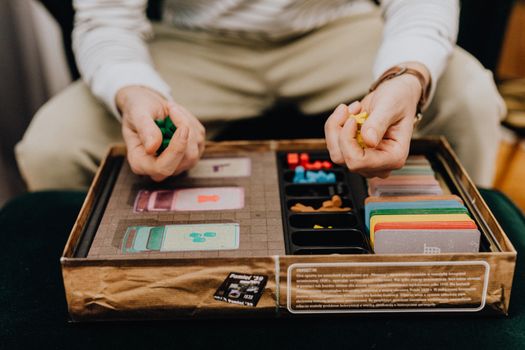
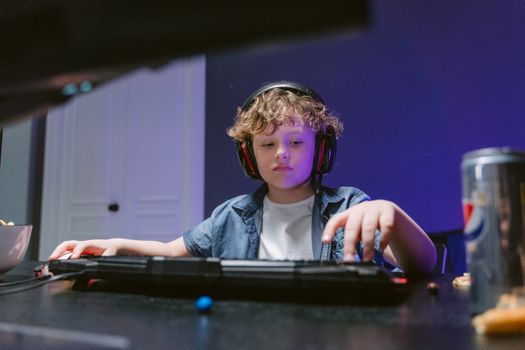
1. Cooperative Board Games: Titles like "Forbidden Island" or "Pandemic" require players to work together toward a common goal. These games help children experience the value of teamwork and the satisfaction of contributing to a group’s success, which can be especially empowering for shy or anxious kids. 2. Skill-Building Video Games: Many educational or adventure games, such as "Minecraft" or "Portal," promote creativity, logic, and perseverance. When children solve problems or build impressive structures, they receive direct evidence of their capabilities. 3. Role-Playing Games (RPGs): Whether tabletop or digital, RPGs like "Dungeons & Dragons" or "Animal Crossing" allow children to take on new identities, try out different social roles, and make decisions in a safe space. Research from the American Psychological Association (APA) suggests that role-playing increases empathy and self-efficacy. 4. Physical and Outdoor Games: Traditional playground games, sports, or obstacle courses build confidence not just mentally but physically. Achieving a new personal best or mastering a skill like riding a bike can have a lasting impact on self-image.Key Mechanisms: How Games Build Self-Confidence
Games help children develop self-confidence and self-esteem through several interrelated mechanisms:
- Incremental Success: Games are designed with progressive challenges. Each victory, no matter how small, provides a sense of accomplishment. - Safe Failure: Unlike real-life situations where failure can feel overwhelming, games allow children to try again without judgment. This reduces the fear of making mistakes. - Social Validation: Many games involve peers or family, providing opportunities for positive feedback and encouragement. According to a 2022 survey by the Toy Association, 74% of parents reported increased confidence in their children after regular family game nights. - Autonomy and Choice: Games often let children make decisions, test strategies, and see the direct outcomes, reinforcing a sense of control and competence. - Goal Setting and Achievement: Completing quests, earning badges, or unlocking new levels gives children tangible goals to work toward, building motivation and a track record of achievement.Comparing Games with Other Confidence-Building Activities
How do games stack up against other traditional confidence-building activities such as sports, music, or art? The table below compares these approaches across several key factors:
| Activity | Immediate Feedback | Safe Environment for Failure | Social Interaction | Accessibility | Motivation Mechanisms |
|---|---|---|---|---|---|
| Games (Board/Video) | Yes | High | Variable (Solo/Group) | High (Many low-cost/free options) | Levels, Rewards, Badges |
| Sports | Yes | Moderate (Public performance) | High | Moderate (Requires equipment/space) | Winning, Teamwork, Skill Mastery |
| Music | Variable (Depends on feedback) | Low (Recitals, tests) | Variable (Solo/Ensemble) | Moderate (Lessons/resources needed) | Performance, Recognition |
| Art | Variable | High | Low (Often solo) | High (Simple materials) | Exhibitions, Personal Satisfaction |
This overview shows that games offer a unique combination of immediate feedback, accessible environments, and flexible social settings, making them an especially effective tool for fostering self-confidence in a wide range of children.
Evidence from Real Life: Case Studies and Expert Insights
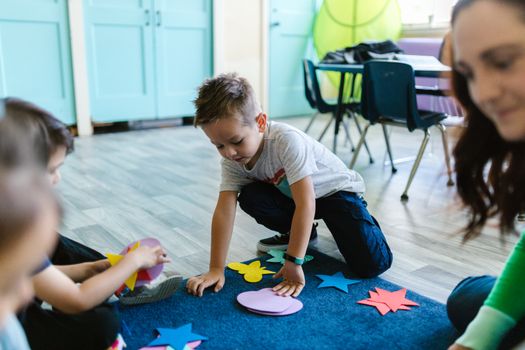
Numerous schools and therapeutic programs have incorporated games into their curricula with notable results. For example, a 2021 program in the UK introduced weekly board game sessions in primary schools. After one year, teachers reported a 30% increase in students' willingness to participate in class and a 22% decrease in social anxiety behaviors.
In another example, the non-profit organization "Games for Change" collaborated with psychologists to develop digital games targeting children with low self-esteem. Their 2020 pilot program found that 68% of participants showed measurable improvements in self-reported confidence levels after just six weeks.
Experts also highlight the importance of inclusive game design. Dr. Rachel Kowert, a research psychologist specializing in game studies, emphasizes that games which allow for personalization and cater to varying skill levels are especially effective in helping children feel seen and competent.
Practical Tips for Parents and Educators
If you're considering using games to help boost a child's self-confidence, consider these practical strategies:
1. Choose Age-Appropriate Games: Ensure the game’s complexity matches the child’s developmental stage. Frustration from games that are too hard can undermine confidence. 2. Encourage Cooperative Play: Games that focus on teamwork rather than competition can reduce performance pressure and foster mutual support. 3. Celebrate Effort and Progress: Focus on the child’s persistence and improvement rather than just winning. Phrases like "You worked really hard on that puzzle!" reinforce a growth mindset. 4. Allow for Autonomy: Give children choices in which games to play and how to approach challenges. This sense of agency is crucial for building self-esteem. 5. Set Aside Regular Game Time: Consistency matters. Weekly family game nights or group sessions at school create routine opportunities for skill-building and positive feedback. 6. Be a Positive Role Model: Adults participating with enthusiasm and good sportsmanship set the tone and model healthy attitudes toward success and failure.Final Thoughts: Why Games Are Essential for Modern Childhood Confidence
In a world where children face increasing pressures and scrutiny, self-confidence and self-esteem are more vital than ever. Games, in their many forms, offer a safe, engaging, and highly effective way to nurture these qualities. Unlike traditional activities, games uniquely combine immediate feedback, safe spaces for experimentation, flexible social settings, and opportunities for meaningful achievement.
The numbers speak for themselves: children who regularly engage in structured play and games are less anxious, more resilient, and better prepared to tackle challenges inside and outside the classroom. By thoughtfully integrating games into daily routines and educational programs, parents and educators can unlock every child's potential, equipping them not just for academic success but for a lifetime of confident living.