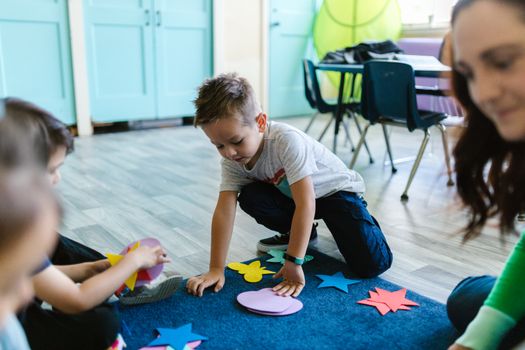
Games and Their Impact on the Development of Creativity and Imagination in Children
Children’s imaginations are boundless, and their ability to dream up fantastic worlds is a cornerstone of healthy cognitive and emotional development. But in today’s fast-paced world, with screens and structured activities dominating much of a child’s time, how do games influence and shape this vital creativity? From classic make-believe to digital sandbox adventures, games play a unique and powerful role in nurturing imagination—helping children learn, innovate, and even cope with real-life challenges. This article explores the multifaceted impact of games on the development of creativity and imagination in children, drawing on research, expert opinions, and real-world examples.
The Science Behind Games and Creative Brain Development
Creativity is more than just drawing or storytelling—it’s about problem-solving, flexible thinking, and generating new ideas. Numerous studies have highlighted that play, especially through games, is essential for fostering these skills in childhood.
According to a 2018 study published in the journal $1, unstructured play and imaginative games directly activate the brain’s default mode network, the area linked to creative thinking and future planning. When children engage in pretend play—such as building forts, crafting stories with dolls, or inventing new rules for a board game—they’re not just entertaining themselves; they’re strengthening neural pathways that support divergent thinking and innovation.
.png)
Moreover, research from the LEGO Foundation found that children who regularly participate in imaginative games perform up to 20% better on creativity assessments than those who engage mostly in structured, rule-bound activities. These findings underscore the importance of balancing both types of play to ensure optimal creative growth.
Types of Games and Their Unique Contributions to Imagination
Not all games are created equal when it comes to nurturing creativity. Let’s break down the major types and their distinctive impacts:
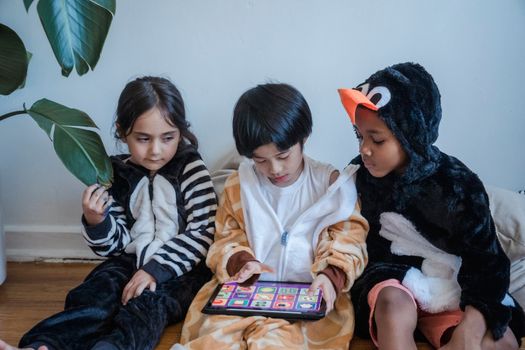
Pretend Play and Role-Playing Games (RPGs): Classic pretend play, such as playing house or acting out superhero adventures, allows children to step into different roles, scenarios, and emotions. Psychologists note that role-play helps children develop “theory of mind”—the capacity to understand perspectives different from their own, which is crucial for creative empathy and storytelling.
Construction and Building Games: Games involving blocks, LEGOs, or digital building platforms like Minecraft encourage spatial reasoning and the visualization of abstract concepts. For example, more than 91 million children around the world have played Minecraft, often inventing their own worlds and rules, which stimulates architectural imagination and design thinking.
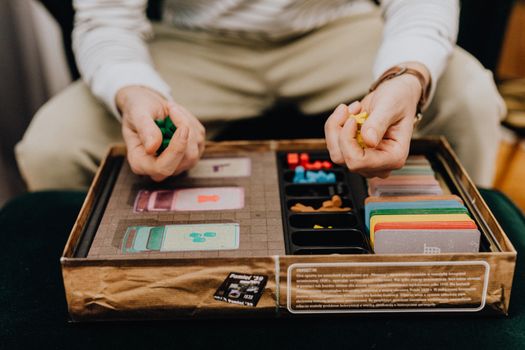
Creative Board and Card Games: Games like Dixit, Rory’s Story Cubes, or Once Upon a Time prompt players to invent stories or solve open-ended challenges. A study by the University of Cambridge found that children who played story-driven board games twice a week scored 15% higher in creative writing tasks than their peers.
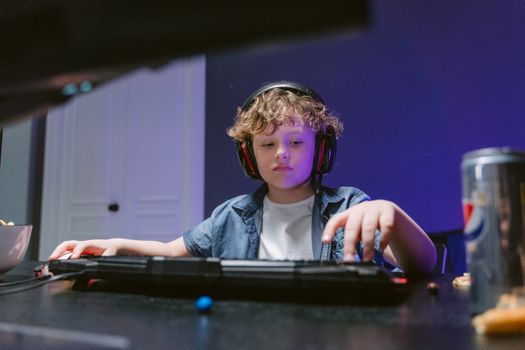
Digital Sandbox and Open-World Games: Unlike linear video games, sandbox titles (e.g., Roblox, Terraria) offer children the freedom to manipulate environments, create custom avatars, and invent mini-games. In 2023, Roblox reported over 66 million daily active users, many of whom are under 16, creating millions of new virtual experiences each month.
Artistic and Musical Games: Games that involve drawing, composing music, or choreographing dances (like Just Dance or online art platforms) allow children to express themselves in non-verbal and multisensory ways, broadening the scope of their creative output.
Imagination as a Tool for Emotional and Social Growth
While creativity is often associated with arts and academics, its foundation in imaginative play supports emotional resilience and social development. When children invent stories or act out scenarios, they rehearse real-life situations in a safe, controlled environment. This process fosters problem-solving and adaptive thinking.
For example, during the COVID-19 lockdown, researchers at the University of Oxford observed that children who engaged in regular imaginative play were 30% less likely to report feelings of anxiety or loneliness. They created imaginary friends, invented adventure games with siblings, or role-played overcoming challenges—demonstrating how imagination can be a self-soothing and adaptive coping tool.
Moreover, collaborative games, whether online or offline, require negotiation, teamwork, and empathy. When kids co-create a fantasy world or strategize in a cooperative game, they learn to listen, compromise, and appreciate diverse points of view—skills that feed back into creative thinking.
Balancing Screen Time and Traditional Play for Maximum Creativity
With the rise of digital games, parents and educators often worry about screen time. However, not all screen-based games are detrimental to creativity—in fact, many can be highly stimulating if used thoughtfully.
The American Academy of Pediatrics recommends that children aged 6 and older have consistent limits on screen time, ensuring it doesn't interfere with sleep, physical activity, or offline play. Striking a balance is key. For instance, a 2022 survey found that children who spent up to one hour a day on creative digital games (such as drawing apps or sandbox games) and also participated in traditional imaginative play exhibited the highest levels of creative fluency.
The table below compares the creative benefits and risks of various types of play:
| Type of Play | Key Creative Benefits | Potential Risks | Recommended Balance |
|---|---|---|---|
| Pretend/Role Play | Empathy, storytelling, flexible thinking | Limited if always solitary | Daily, with peers or adults |
| Construction/Building Games | Spatial awareness, innovation | Frustration if too complex | Several times per week |
| Creative Board/Card Games | Idea generation, collaboration | May discourage solo play | Family game nights or group settings |
| Digital Sandbox Games | Design skills, digital literacy | Excessive screen time | Moderate use, supervised |
| Artistic/Musical Games | Self-expression, multisensory creativity | May require equipment/access | Weekly, with variety |
Parental and Educational Strategies to Enhance Creative Play
Adults play a pivotal role in fostering a child’s creativity through games. Here are proven strategies for parents and educators:
Provide Open-Ended Materials: Toys and tools without predetermined uses (e.g., plain blocks, art supplies, costumes) encourage children to invent and experiment. According to a 2021 report by Zero to Three, children with access to open-ended toys demonstrated 25% more spontaneous creative play than those with only electronic toys.
Encourage Storytelling and Reflection: After a game, ask children to narrate their experience or imagine alternative endings. This process reinforces creative thinking and helps children internalize new ideas.
Facilitate Group Play: While solo play is valuable, group games stimulate peer learning and collaborative creativity. Schools that implemented weekly creative group games reported a 17% increase in student engagement and original project ideas.
Limit Over-Scheduling: Allowing downtime for unstructured play is essential. Experts recommend at least 30-60 minutes of free play daily for children under 12 to maximize imaginative benefits.
Model Creativity: Children imitate adults. When parents and teachers participate in imaginative games or share their creative hobbies, children feel empowered to explore their own ideas.
Real-World Examples: Games that Spark Lifelong Creativity
Many of today’s innovators and creators trace their imaginative roots back to childhood games. For example, Nobel laureate Toni Morrison credited her early love of storytelling games with siblings as the spark that led to her literary career. Similarly, Steve Wozniak, co-founder of Apple, often spoke about his childhood obsession with building and re-building electronic games, which inspired his later inventions.
In classrooms, teachers have used games like “Invent a Creature” (where students design and describe entirely new animals) or “World-Building” (collaboratively creating imaginary countries) to boost creativity. These activities have led to increased participation, richer vocabulary use, and a greater willingness to take intellectual risks.
Community organizations, too, are leveraging games for creative development. The Imagination Playground initiative in New York provides mobile play equipment that transforms public spaces into hubs of collaborative, imaginative play—reaching over 3 million children since 2010.
Shaping Tomorrow’s Innovators: The Lasting Value of Creative Games
As we look toward the future, the skills gained through creative play are more relevant than ever. The World Economic Forum predicts that by 2025, creativity will be among the top five skills needed in the global workforce. Games are a powerful, accessible way to nurture this trait from an early age.
By offering children diverse opportunities for imaginative play—both offline and online—we empower them to become flexible thinkers, empathetic collaborators, and original problem-solvers. The impact of games on creativity is not just about fun; it’s about equipping our children with the tools to imagine and build a better world.