Games are far more than just entertainment for children—they are powerful tools for learning, especially when it comes to foreign languages. While traditional classrooms often rely on memorization and repetition, integrating games into language teaching can transform the experience into something engaging, interactive, and highly effective. In fact, studies have shown that active participation and emotional engagement, both hallmarks of games, are critical for memory retention and language acquisition. But how can parents, teachers, and tutors harness games to support young language learners? This article explores practical strategies, types of games, and the science behind why play is a language superpower.
The Science Behind Game-Based Language Learning
Games tap into natural ways children learn best: through context, repetition, and meaningful interaction. According to a 2018 meta-analysis published in the journal $1, children who learned languages through game-based activities outperformed their peers in vocabulary retention by over 23%. Why is this so effective?
First, games reduce stress and the fear of making mistakes. This creates a low-anxiety environment where children are more willing to experiment with new words and sounds. Second, games often require repetition in a meaningful context—think about hearing the word "apple" several times while playing a matching game about fruits. Cognitive neuroscience research confirms that repetition tied to positive emotions and engagement strengthens neural pathways, making language stick.
.png)
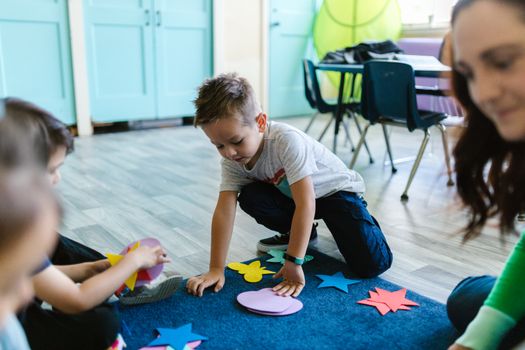
Additionally, games often involve physical movement, gestures, or visuals, activating multiple areas of the brain and catering to different learning styles. For example, combining a word with a physical action (like jumping when saying "jump") leverages the kinesthetic memory, which is particularly strong in young children.
Types of Games for Teaching Foreign Languages to Children
There’s no one-size-fits-all approach to using games for language learning. The best games are tailored to the child’s age, language level, and interests. Here are some effective categories, each with unique benefits:
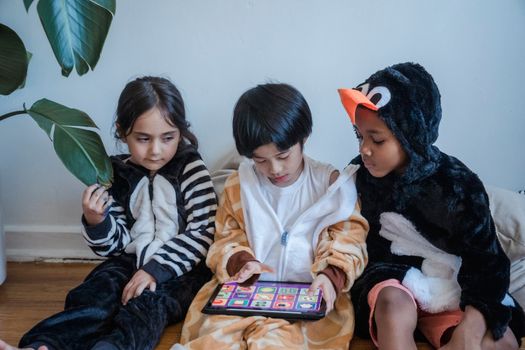
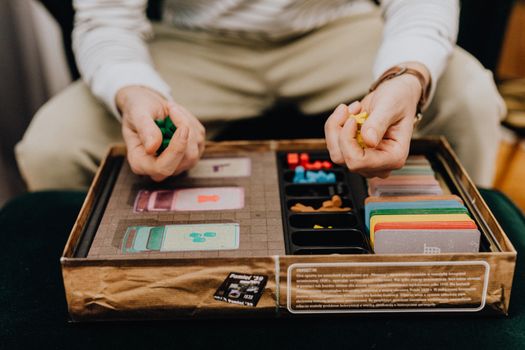
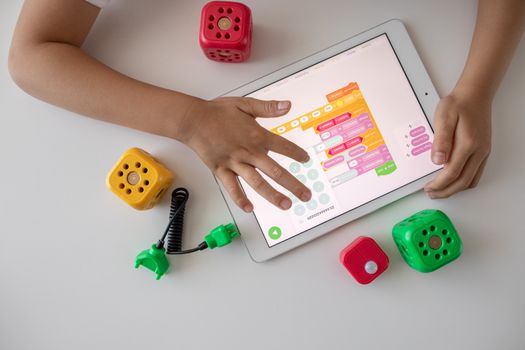
1. $1: Simon Says, charades, or scavenger hunts are perfect for practicing verbs, following instructions, and learning everyday vocabulary. For example, playing "Simon Says" in French ("Jacques a dit") to reinforce commands and body parts. 2. $1: Classic games like Memory, Go Fish, or Bingo can be easily adapted to any language. For instance, use picture cards labeled with the target language for Memory, or play Bingo using vocabulary words. 3. $1: With 72% of children aged 5-12 using tablets or smartphones (Common Sense Media, 2022), language learning apps and digital games are both accessible and appealing. Many apps, such as Duolingo Kids or Gus on the Go, are designed to teach vocabulary and grammar through play. 4. $1: Games like "Tell Me a Story" encourage children to use new words and grammar structures creatively. Prompt children to build stories using cards with pictures or words, fostering both comprehension and production. 5. $1: Setting up a pretend grocery store or restaurant in the target language encourages children to use practical vocabulary and phrases in context, boosting their confidence and fluency. 6. $1: Songs, rhymes, and dance routines are excellent for pronunciation, rhythm, and memorization. Games like musical chairs with a language twist (e.g., answer a vocabulary question to stay in the game) are fun and effective.Designing Effective Language Games for Children
Not all games are equally effective for language learning. The key is intentional design and integration with learning objectives. Here are several principles to keep in mind:
- $1: The goal is to get children using the language, not to have perfect grammar or pronunciation. Games should reward effort and creativity. - $1: Games that require back-and-forth interaction—such as team-based competitions or cooperative challenges—encourage real communication rather than passive recall. - $1: Use visuals, music, movement, and even tangible objects to reinforce learning. For example, a color scavenger hunt where children find and name objects in the target language. - $1: Younger children benefit from simple, repetitive games, while older children can handle more complex rules and strategy. Always scale the challenge to avoid frustration or boredom. - $1: The best games encourage repeated use of target vocabulary and phrases without feeling monotonous. Think of games like "I Spy" or "20 Questions," where the same words come up in different contexts.Real-World Examples: Language Games in Action
Let’s look at how language games work in real-life settings, both at home and in classrooms:
- $1: A parent teaching Spanish plays "Treasure Hunt" with their 6-year-old, hiding objects around the house and giving clues in Spanish ("Busca el libro rojo" — Find the red book). The child practices listening comprehension and vocabulary, all while having fun. - $1: A teacher uses a bingo game with French animal names. Children must listen carefully and mark the correct animal on their cards. The competitive element keeps engagement high, and the repetition helps cement new words. - $1: In a virtual classroom, students play "Pictionary" using Zoom’s whiteboard feature. The teacher gives a vocabulary list in the target language, and students take turns drawing while classmates guess the word. This game builds both production and comprehension skills. - $1: In a German language club, children create puppet shows using simple sentences and vocabulary. The process of writing scripts, rehearsing, and performing helps internalize grammar and pronunciation.Comparing Language Game Types: Effectiveness and Engagement
Different games suit different learners and objectives. Here’s a comparison table summarizing the strengths of various game types:
| Game Type | Best For | Key Benefits | Example |
|---|---|---|---|
| Action-Based | Young children; vocabulary & commands | Physical engagement, listening skills | Simon Says in target language |
| Card/Board Games | All ages; vocabulary recall | Memory reinforcement, group play | Picture Bingo, Memory |
| Digital/App-Based | Tech-savvy learners; independent practice | Adaptive learning, instant feedback | Duolingo Kids, Gus on the Go |
| Storytelling | Older children; grammar & creativity | Speaking practice, imagination | Story cards, collaborative stories |
| Role-Playing | Elementary/middle school; conversation | Real-world phrases, cultural context | Pretend restaurant or shop |
| Music/Movement | All ages; pronunciation & rhythm | Pronunciation, memory, fun | Singing, dance routines |
Tips for Parents and Teachers: Maximizing Language Gains Through Games
How can adults get the most out of game-based language learning? Here are some research-backed tips for success:
- $1: Know what you want children to learn from each game—whether it’s a set of vocabulary words, a grammar structure, or conversational phrases. - $1: Some children thrive on competition, while others prefer teamwork. Mix it up to keep everyone engaged. - $1: Recognize effort and improvement, not just correct answers. Positive reinforcement boosts motivation and confidence. - $1: Switching up activities prevents boredom and ensures exposure to different language skills. - $1: Even if you need to explain rules in the native language at first, try to conduct the game itself entirely in the foreign language for immersion. - $1: Group games foster a sense of community and make language learning a social activity.Why Games are a Game-Changer for Language Learning
Incorporating games into foreign language teaching isn’t just a fun extra—it’s a research-supported, highly effective strategy for helping children acquire new languages. Games transform abstract vocabulary and grammar into meaningful, memorable experiences. They foster communication, creativity, and a love of learning that lasts far beyond the classroom. Whether played at home, at school, or online, games give children the confidence to experiment, the motivation to persist, and the joy of discovering a new way to communicate with the world.