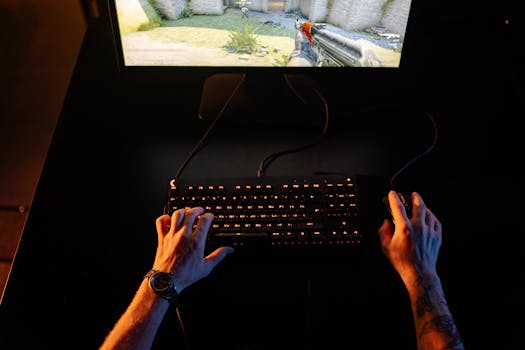
The Thrill of Playing First-Person Shooter Games Online
Few video game genres capture excitement and adrenaline quite like first-person shooters (FPS). Whether you are storming digital battlefields, engaging in tense sniper duels, or working with a squad to achieve victory, online FPS games offer a heart-pounding, immersive experience that millions worldwide can’t get enough of. From the earliest days of dial-up connections to today's ultra-fast, graphics-rich platforms, first-person shooters have grown into a cultural phenomenon that continues to redefine online play. But what exactly makes FPS games so thrilling, and why do they maintain such a powerful grip on gamers of all ages and backgrounds?
The Evolution of Online FPS: From LAN Parties to Global Arenas
The history of first-person shooter games online is a story of technological innovation and community building. The genre traces its roots to classics like “DOOM” (1993) and “Quake” (1996), where gamers first experienced the rush of real-time combat over local area networks (LANs). By the late 1990s, broadband internet transformed the scene, enabling players to match wits and reflexes with opponents across continents.
Today, FPS titles like “Call of Duty: Warzone,” “Counter-Strike: Global Offensive,” and “Overwatch 2” boast player bases in the tens of millions. According to a report by Newzoo, competitive FPS games accounted for over 30% of the $1.38 billion esports market in 2023. Tournaments now fill stadiums, and streaming platforms like Twitch and YouTube Gaming draw millions of live viewers. The evolution of FPS games from isolated matches to global spectacles underscores their enduring appeal—and the ever-growing thrill of online competition.
.png)
Adrenaline, Reflexes, and Strategy: Why FPS Games Are So Gripping
The core appeal of online FPS games lies in their dynamic blend of fast-paced action, skillful reflexes, and strategic teamwork. Unlike other genres, FPS titles put players directly into the action, with a first-person perspective that heightens immersion and tension.
Split-second decisions can mean the difference between victory and defeat. A study from the University of Rochester found that regular FPS players process visual information 11% faster than non-gamers, highlighting how these games sharpen cognitive and motor skills. The need to react instantly to threats, coordinate with teammates, and adapt strategies on the fly keeps adrenaline levels high.
Moreover, FPS games often employ intricate game mechanics such as weapon customization, map control, and resource management. For example, in “Rainbow Six Siege,” players must choose operators with unique abilities, breach fortified positions, and outthink opponents in a game of tactical chess. This constant demand for both individual prowess and collective coordination fuels the enduring excitement of online FPS play.
Social Connection and Competitive Spirit in FPS Communities
First-person shooters are not just about shooting; they're about connecting. Online FPS communities are vibrant, with players forming lasting friendships, rivalries, and even professional teams. According to a 2022 Pew Research Center report, 53% of adult gamers say they have made friends through online gaming, with FPS titles leading the way.
Many games incorporate built-in voice chat, matchmaking systems, and clan features, encouraging cooperation and healthy competition. Esports organizations like FaZe Clan, Team Liquid, and Astralis have become household names, and professional players can earn millions in prize money and sponsorships. The 2021 “Counter-Strike: Global Offensive” Major, for instance, featured a prize pool exceeding $2 million and attracted more than 2.7 million concurrent viewers.
This sense of belonging, combined with the thrill of rising through the ranks or competing in tournaments, makes FPS games deeply rewarding. Whether playing casually with friends or striving for the top of the leaderboards, the social and competitive aspects of FPS games amplify the excitement of every match.
Technological Advancements: Graphics, Sound, and Realism
A significant driver behind the thrill of modern FPS games is the relentless march of technology. Today’s titles deliver stunning graphics, lifelike animations, and immersive audio that draw players deeper into virtual worlds.
High refresh rate monitors (often 144Hz or 240Hz) and low-latency gaming mice enable smoother, more precise gameplay. Game engines like Unreal Engine 5 and id Tech 7 render hyper-realistic environments, from war-torn cities to alien landscapes. Audio innovations, such as 3D spatial sound, allow players to pinpoint enemy locations by listening for footsteps or gunfire.
Virtual reality (VR) FPS games like “Half-Life: Alyx” take immersion to the next level, giving players a physical sense of presence in the game world. According to Statista, the VR gaming market is projected to reach $6.9 billion by 2025, with FPS titles expected to be among the most popular genres. These advancements ensure that each new generation of FPS games feels more intense and engaging than the last.
Accessibility and Diversity: FPS Games for Everyone
One of the most striking changes in the world of online FPS is its increasing accessibility and diversity. No longer limited to hardcore gamers or expensive PCs, FPS titles are now available across a wide range of devices and platforms.
Free-to-play games such as “Valorant,” “Apex Legends,” and “Call of Duty: Warzone” have lowered barriers to entry, attracting new players from around the world. Cross-platform play enables friends to team up regardless of whether they use a PC, Xbox, or PlayStation. Mobile FPS games like “Call of Duty: Mobile” and “PUBG Mobile” have surpassed 1 billion downloads collectively, proving that high-octane shooter action can fit in your pocket.
Game developers are also investing in accessibility features, such as customizable controls, colorblind modes, and adaptive difficulty. This commitment to inclusivity is helping FPS communities become more welcoming and diverse, with players of all ages, backgrounds, and abilities joining the fray.
Comparing Top Online FPS Games: Features, Player Base, and Esports Impact
With so many FPS titles vying for your attention, how do they stack up against each other? Let’s take a look at some of the most popular online FPS games, comparing their key features, player base, and impact on the esports scene.
| Game Title | Release Year | Estimated Monthly Players (2024) | Esports Prize Pools (2023) | Cross-Platform Play |
|---|---|---|---|---|
| Call of Duty: Warzone | 2020 | 85 million | $6.5 million | Yes |
| Counter-Strike: Global Offensive | 2012 | 37 million | $22 million | No |
| Valorant | 2020 | 23 million | $10 million | No |
| Overwatch 2 | 2022 | 25 million | $4 million | Yes |
| Apex Legends | 2019 | 60 million | $5 million | Yes |
As this comparison shows, each game brings something unique to the table, whether it’s a massive player base, robust esports ecosystem, or seamless cross-platform play. The variety ensures that there’s an FPS experience for every taste and skill level.
Conclusion: The Timeless Appeal of Online FPS Action
The thrill of playing first-person shooter games online is a potent combination of adrenaline, skill, community, and cutting-edge technology. Over the years, FPS games have evolved from simple pixelated battles to sprawling online arenas where millions compete, collaborate, and connect. Their fast-paced gameplay, immersive environments, and ever-growing accessibility make them a staple of the gaming world—one that continues to attract new fans and push the boundaries of what’s possible in interactive entertainment.
Whether you’re a casual player dropping into quick matches or a dedicated competitor climbing the ranks, the world of online FPS offers excitement and camaraderie that are hard to match. As technology advances and communities grow, one thing is certain: the thrill of the online FPS is here to stay.