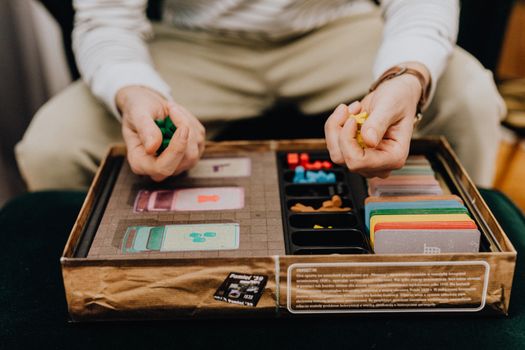
Staying Connected: Exploring the Benefits of Playing Games with Friends Remotely
Few things have transformed our social habits as much as the rapid rise of online and remote gaming. In a world where friends and families are often separated by busy schedules, long distances, or unexpected events, playing games together remotely has emerged as a vibrant way to maintain and strengthen relationships. But the benefits of gaming remotely with friends go far beyond simple entertainment — they touch on mental health, cognitive skills, teamwork, and even offer unexpected advantages for our emotional well-being.
Let’s dive into the many ways that playing games with friends remotely can positively impact our lives, supported by statistics, expert insights, and real-world examples.
Building Stronger Social Bonds Across Distances
One of the most compelling advantages of remote gaming with friends is the ability to stay connected, no matter where you are. According to a 2022 report by the Entertainment Software Association (ESA), 77% of gamers in the United States play games with others at least once a week, and nearly 60% of these players say that gaming helps them stay in touch with friends and family.
.png)
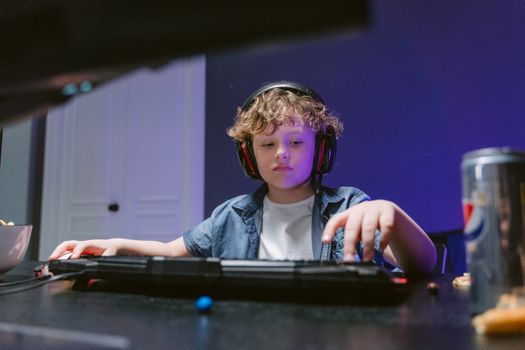
Games with built-in voice chat, video features, or integrated messaging make it possible to share experiences, jokes, and even important life updates in real-time. Whether you’re collaborating in a digital escape room or competing in a trivia challenge, these shared moments foster a sense of togetherness that bridges physical gaps.
Key examples include: - Multiplayer games like "Among Us," where teamwork and conversation are necessary for success. - Online board game platforms such as Tabletopia or Board Game Arena, which replicate the face-to-face experience. - Social gaming apps like Houseparty or Jackbox, which blend gaming with video chat for an integrated experience.Remote gaming offers a lifeline for friends separated by long distances, travel, or even global events such as the COVID-19 pandemic, helping to reduce loneliness and maintain lifelong connections.
Mental Health and Emotional Well-Being: More Than Just Fun
The psychological benefits of remote gaming are significant and well-documented. A 2020 study by Oxford University found that people who played online games with friends reported higher levels of happiness and overall well-being compared to those who played alone. Gaming together can offer an important source of emotional support, laughter, and stress relief.
Remote gaming provides: - A safe space to unwind and share feelings. - Opportunities for mutual encouragement and empathy, especially during challenging times. - Moments of laughter and joy that can lift spirits and help manage anxiety.Recent research by the American Psychological Association highlights that regular social interaction through games can decrease symptoms of depression and increase feelings of belonging. For introverts or those struggling with social anxiety, the ability to communicate via text or voice chat in a low-pressure environment can make it easier to open up and form deeper connections.
Sharpening Cognitive and Communication Skills
Playing games remotely is not just a social activity; it’s also a workout for the brain. Many games require strategic thinking, quick decision-making, and effective communication — all of which are beneficial in both academic and professional contexts.
Key cognitive and communication benefits include: - Improved problem-solving skills: Puzzle games or strategy-based games encourage players to think critically and plan ahead. - Enhanced memory and attention: Games that require memorizing rules, sequences, or maps can sharpen focus and recall. - Better teamwork and negotiation: Cooperative games often require players to coordinate actions, share information, and reach consensus, mirroring real-life workplace scenarios.A 2023 survey published by Statista found that 68% of gamers believe that playing with friends helps them develop better communication skills, and 54% credit gaming with improving their ability to think creatively and solve problems.
Flexibility and Accessibility: Gaming Without Boundaries
Remote gaming has democratized play, making it more accessible than ever. Unlike traditional in-person gatherings, remote gaming removes many barriers, including travel time, physical distance, and even certain disabilities.
Here’s how remote gaming stands out: - Scheduling flexibility: Friends in different time zones or with irregular schedules can find overlapping hours to connect. - Device compatibility: Many games are available cross-platform, allowing friends with different devices (PC, console, mobile) to join in together. - Inclusive features: Games now commonly include accessibility options such as subtitles, colorblind modes, and customizable controls, making play more inclusive for those with disabilities.Let’s look at a quick comparison between in-person and remote gaming experiences:
| Feature | In-Person Gaming | Remote Gaming |
|---|---|---|
| Physical Proximity | Required | Not Needed |
| Scheduling Flexibility | Limited by travel/time | Flexible, global |
| Accessibility Features | Often limited | Widely available (digital) |
| Group Size | Limited by space | Can accommodate large groups |
| Types of Games | Board, card, party | Digital board, video, interactive apps |
| Cost | Physical purchases, snacks, travel | Often free or low-cost digital access |
As the table shows, remote gaming opens the doors for broader participation and more convenient planning, making it easier to stay in touch with friends from all walks of life.
Learning and Cultural Exchange Through Remote Play
Remote gaming is not just about fun; it’s a gateway to learning about different cultures, perspectives, and even languages. Many popular multiplayer games attract global audiences, providing a unique opportunity to interact with people from diverse backgrounds.
Benefits in this area include: - Exposure to new cultures: Games like "Minecraft" or "Fortnite" often host global players, enabling cross-cultural dialogue and friendships. - Language practice: Playing with friends who speak other languages can improve language skills in an engaging way. - Learning through play: Educational games and trivia challenges can turn a casual gaming session into a knowledge exchange.The online platform Steam, for example, boasts over 120 million active users worldwide (as of 2022), making it one of the largest global gaming communities. This vast network means that even a casual gaming session could lead to learning about international customs, idioms, or even holiday traditions.
Teamwork, Leadership, and Conflict Resolution Skills
Remote games, especially those that require collaboration or competition, naturally build important interpersonal skills. Coordinating a heist in "Grand Theft Auto Online" or working together in "Overcooked!" requires clear communication, trust, and adaptability.
Some of the key skills developed include: - Leadership: Taking charge in team-based games helps hone leadership abilities and decision-making. - Conflict resolution: Disagreements over strategy or outcomes can teach patience, negotiation, and compromise. - Emotional intelligence: Reading teammates’ cues and responding appropriately builds empathy and understanding.According to a 2021 LinkedIn survey, 46% of employers look for teamwork and communication skills above all else in new hires. Remote gaming with friends provides a low-stakes environment to practice and refine these abilities, which can translate directly to academic or workplace settings.
Final Thoughts: The Lasting Value of Remote Gaming with Friends
The explosion of remote gaming has changed the way we connect, learn, and grow. Beyond the obvious entertainment factor, playing games with friends remotely offers a wealth of social, cognitive, and emotional benefits. From helping maintain long-distance friendships to improving communication skills and offering a platform for cultural exchange, the value goes far deeper than many realize.
As technology continues to evolve, the tools and platforms for remote play will only become more sophisticated and inclusive. Whether you’re solving puzzles, embarking on adventures, or simply sharing a laugh over a digital board game, the benefits of gaming with friends remotely are real, measurable, and here to stay.