Navigating the Game: 5 Tips for Balancing Gaming and School Responsibilities
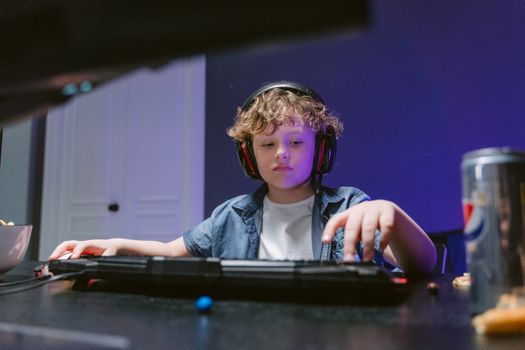
In the modern era, gaming has become more than just a pastime—it’s a global phenomenon. In 2023, over 2.7 billion people worldwide played video games, and among them, students make up a significant portion. With the rise of competitive eSports, educational games, and immersive online communities, it’s no wonder that gaming captures the attention (and time) of so many. Yet, for students, the challenge remains: how to balance the thrill of gaming with the demands of school? Striking this balance is crucial—not only for academic success but also for maintaining healthy relationships and well-being.
This article goes beyond generic advice to offer actionable, research-backed tips for balancing gaming and school responsibilities. Whether you’re a dedicated gamer, a concerned parent, or an educator, these strategies will help ensure that gaming remains a source of enjoyment—not a barrier to achievement.
Understanding the Impact: Why Balance Matters
Before diving into specific tips, it’s important to acknowledge why balancing gaming and academics is essential. According to the Pew Research Center, 90% of teens in the United States play video games, with 56% reporting that they play every day or almost every day. While moderate gaming can enhance cognitive skills and foster social connections, excessive play is linked to lower grades, sleep deprivation, and increased stress.
.png)
A 2020 study in the journal "Computers in Human Behavior" found that students who gamed more than 3 hours per day had a 20% higher risk of academic underperformance compared to those who played less. Striking the right balance isn’t about eliminating gaming—rather, it’s about setting boundaries and making informed choices to support both your gaming passion and your educational goals.
Tip 1: Create a Visual Schedule with Clear Priorities
One of the most effective strategies for managing time between gaming and school is developing a visual schedule. Unlike a mental checklist, a physical or digital planner offers a tangible reminder of daily commitments. By mapping out homework, study sessions, extracurricular activities, and gaming slots, students can see where their time goes and make adjustments as needed.
For example, a 2021 survey by the American Psychological Association found that students who used planners were 33% more likely to submit assignments on time. Start by identifying your top priorities—school deadlines, revision periods, and essential chores—then block out specific periods for gaming. Online tools like Google Calendar or scheduling apps such as MyStudyLife make it easy to set reminders and track progress.
Here’s a sample weekly breakdown:
| Time Slot | Monday-Friday | Saturday | Sunday |
|---|---|---|---|
| 3–5 PM | Homework/Study | Group Project / Reading | Review / Light Study |
| 5–6 PM | Gaming (Break) | Gaming (Leisure) | Outdoor Activity |
| 6–8 PM | Dinner / Family Time | Dinner / Friends | Dinner / Family |
| 8–9 PM | Gaming (if homework done) | Gaming (Online with Friends) | Prepare for Week |
With a visual schedule, it’s easier to see if gaming is crowding out other important activities or if there’s room to safely enjoy both.
Tip 2: Set Smart Limits with Reward-based Gaming
Setting boundaries doesn’t have to mean sacrificing fun. The key is to tie gaming time to academic achievements. This reward-based approach transforms gaming from a distraction into a motivator.
For instance, set a rule: “I can play games for 30 minutes after finishing all my homework.” This not only incentivizes productivity but also helps develop self-regulation skills. According to the National Institutes of Health, students who practiced self-monitoring and delayed gratification scored up to 15% higher on standardized tests.
Apps like Forest or Stay Focused can help students track their productivity and limit access to games during study periods. Parents and educators can support this by establishing clear house rules and using parental controls on gaming devices.
Remember, consistency is crucial. If the rule is “No gaming before homework,” stick to it—even on weekends. Over time, this creates a healthy routine that balances enjoyment and responsibility.
Tip 3: Involve Friends and Family for Accountability
Balancing gaming and school is easier with support. Sharing your schedule or goals with friends and family creates a layer of accountability that can keep you on track. For example, study groups can help each other stay focused, and family members can provide reminders or encouragement when it’s time to switch from games to schoolwork.
A 2019 study by the University of Michigan found that students who shared their academic goals with family members were 28% more likely to achieve them than those who kept their goals private. Consider setting up a family meeting to discuss weekly goals and gaming limits. If you game with friends, agree to log off together at a set time to prioritize homework or rest.
This approach fosters a supportive environment where everyone’s on the same page, reducing the likelihood of conflict or misunderstandings about screen time.
Tip 4: Choose Games Wisely and Avoid High-Commitment Titles During Busy Periods
Not all games demand the same investment of time or focus. Multiplayer online battle arenas (MOBAs) or massively multiplayer online role-playing games (MMORPGs) like "League of Legends" or "World of Warcraft" often require long, uninterrupted sessions and scheduled events. During exam seasons or project deadlines, consider switching to games that offer shorter play sessions or clear stopping points, such as puzzle, strategy, or casual games.
Below is a comparison of game types and their average session lengths:
| Game Type | Average Session Length | Best for Busy Schedules? |
|---|---|---|
| MMORPG (e.g., WoW) | 1–3 hours | No |
| MOBA (e.g., LoL, Dota 2) | 30–45 minutes per match | Sometimes |
| Puzzle/Strategy (e.g., Tetris, Civilization VI) | 10–30 minutes | Yes |
| Casual/Mobile Games (e.g., Candy Crush) | 5–15 minutes | Yes |
Making conscious choices about game selection during high-pressure periods allows you to enjoy gaming in moderation without sacrificing academic performance.
Tip 5: Prioritize Sleep, Nutrition, and Physical Activity
Gaming marathons and late-night online sessions can wreak havoc on sleep schedules, nutrition, and physical health. According to the Centers for Disease Control and Prevention (CDC), teens need 8–10 hours of sleep per night, yet more than 70% report getting less than this during the school week—often due to screen time.
Sleep deprivation impairs memory, attention, and problem-solving skills—all essential for academic success. To maintain balance:
- Set a nightly device curfew (e.g., no games after 9:30 PM). - Schedule regular breaks during long study or gaming sessions to get up, stretch, and hydrate. - Avoid energy drinks and sugary snacks while gaming; opt for water and healthy snacks like fruit or nuts. - Incorporate at least 30 minutes of physical activity daily, whether it’s a brisk walk, a sport, or a fitness game.Balancing school and gaming isn’t just about managing time—it’s about nurturing your body and mind so you can excel in both arenas.
Final Thoughts on Achieving Harmony Between Gaming and School
Balancing gaming and school responsibilities is very much possible—and, with the right strategies, can even enhance both experiences. By creating a visual schedule, rewarding academic achievements with gaming, involving friends and family, making smart game choices, and prioritizing health, students can enjoy their favorite games without compromising their grades or well-being.
Remember, the goal is not to quit gaming but to make it a healthy part of a balanced lifestyle. As gaming continues to grow in cultural and educational importance, learning these skills now will serve students well throughout their academic and professional lives.