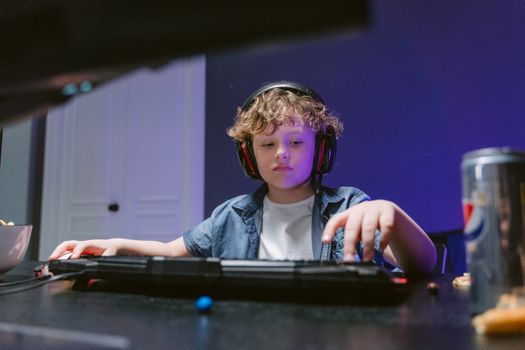
The vibrant world of gaming is a staple in many children’s lives today, offering an array of cognitive and social benefits. However, as screens become ever-present in bedrooms and play spaces, parents and experts are raising concerns about a crucial aspect of child health: sleep. Research shows that the way children play, the types of games they engage with, and the timing of their gaming sessions can all have significant impacts on their sleep quality and overall well-being. This article delves into how games affect children’s sleep, explores the science behind these effects, and offers practical solutions for families to ensure healthy rest without eliminating gaming altogether.
The Science: How Games Influence Sleep in Children
Sleep is essential for children's growth, learning, and emotional regulation. Yet, according to the American Academy of Pediatrics, nearly 60% of children aged 6-17 do not get the recommended amount of sleep on school nights. One emerging factor is the increased time spent on digital games.
Games can impact sleep in several ways:
1. $1 Most screens emit blue light, which suppresses melatonin, the hormone that regulates sleep. A study by Harvard Medical School found that exposure to screen light before bed can delay sleep onset by up to 45 minutes. 2. $1 Fast-paced, competitive, or violent games can stimulate adrenaline and increase heart rate, making it harder for children to "wind down" before sleep. 3. $1 Gaming sessions often extend into the evening, cutting into time that could be spent preparing for bed or actually sleeping.A 2018 survey by Common Sense Media reported that children aged 8-12 in the U.S. spend an average of 1 hour and 21 minutes per day gaming, with teens averaging 2.5 hours. When these sessions occur late in the day, studies confirm a direct link to decreased sleep duration and poorer sleep quality.
.png)
Comparing Game Types: Which Are Most Disruptive to Sleep?
Not all games are created equal when it comes to their effects on sleep. The genre, intensity, and platform can all influence children’s ability to fall and stay asleep. Here's a comparative overview based on recent sleep research:
| Game Type | Average Sleep Delay | Level of Stimulation | Blue Light Exposure |
|---|---|---|---|
| Action/Shooter (e.g., Fortnite, Call of Duty) | 30-60 minutes | High | High (console/PC) |
| Sports/Racing | 20-40 minutes | Moderate | High (console/PC) |
| Casual/Puzzle (e.g., Candy Crush, Tetris) | 10-20 minutes | Low to Moderate | Moderate (mobile/tablet) |
| Educational Games | 5-15 minutes | Low | Moderate (tablet/PC) |
| Board Game Apps | 5-10 minutes | Low | Moderate |
This data suggests that high-intensity, fast-paced games, especially those played on large, bright screens, are most disruptive to sleep. In contrast, slower, turn-based, or educational games have a much milder effect.
Why Sleep Matters for Growing Minds
It’s easy to overlook the significance of a missed hour of sleep, but the consequences can be profound for children. According to the Centers for Disease Control and Prevention (CDC), children aged 6–12 need 9–12 hours of sleep per night, while teens need 8–10 hours. Chronic sleep deprivation can lead to:
- Decreased concentration and memory - Irritability and mood swings - Lower academic performance - Increased risk of anxiety and depression - Weakened immune systemA 2022 study published in JAMA Pediatrics found that children who consistently slept less than the recommended minimum scored 15% lower on standardized math and reading tests. Furthermore, lack of sleep is linked to a 30% higher risk of obesity in children, as hormonal imbalances affect appetite and metabolism.
Understanding the "Gaming-Sleep" Cycle: When Does it Become a Problem?
Not every child who enjoys gaming will struggle with sleep, but certain patterns can signal a problem:
- $1 Studies show children who game within an hour of bedtime are more likely to report difficulties falling asleep. - $1 The interactive design of many games encourages continued play, leading to unintended late nights. - $1 A 2021 report from Sleep Medicine Reviews found that children and teens often use games to delay bedtime, especially if they feel stressed or bored.Parents should watch for signs such as morning grogginess, difficulty waking, or changes in mood or school performance, which may indicate that gaming is infringing on sleep.
Proactive Solutions: Helping Children Balance Gaming and Rest
The goal isn’t to ban gaming, but to foster healthy habits that allow children to enjoy their favorite pastimes without sacrificing sleep. Here are evidence-based strategies:
1. $1 The Sleep Foundation recommends turning off all screens at least 60 minutes before bedtime. Encourage other relaxing activities—reading, drawing, or listening to music—during this time. 2. $1 Keep gaming devices, computers, and TVs out of the bedroom. A National Sleep Foundation poll found that children with screens in their bedrooms get on average 1 hour less sleep per night. 3. $1 Many devices now offer "night mode" settings that reduce blue light. Special screen glasses can also help, though limiting use is still most effective. 4. $1 Opt for slower-paced, non-competitive games or digital puzzles if gaming after dinner is unavoidable. 5. $1 Children learn best by example. Parents who prioritize sleep and limit their own evening screen time are more likely to see their children do the same. 6. $1 Predictable bedtimes and wind-down rituals signal the brain that it’s time to sleep, counteracting the arousing effects of gaming.What the Latest Research Says: Surprising Insights
Recent studies provide new insights into the nuances of the gaming-sleep relationship:
- A 2023 survey by the American Academy of Sleep Medicine found that 72% of parents say their children sleep better on nights when gaming is limited to the afternoon. - Not all screen time is equal: Interactive, competitive games are more disruptive than passive media (like watching TV), according to a 2021 study published in Sleep Health. - A 2020 experiment with 50 middle-schoolers showed that those who switched from action games to digital puzzles after 7 PM fell asleep, on average, 25 minutes earlier.These findings highlight that thoughtful choices about when and how children play games can make a significant difference in their sleep quality.
Final Thoughts on Games and Children's Sleep
Games are an important part of modern childhood, offering fun, social connection, and even learning opportunities. However, the science is clear: late-night gaming—especially fast-paced or competitive types—can undermine children’s sleep, with real consequences for health, behavior, and school performance. The answer isn’t to eliminate games, but to set boundaries, encourage balanced play, and prioritize healthy sleep routines. By working together, families can help children enjoy both their favorite games and restorative sleep, setting the foundation for lifelong well-being.