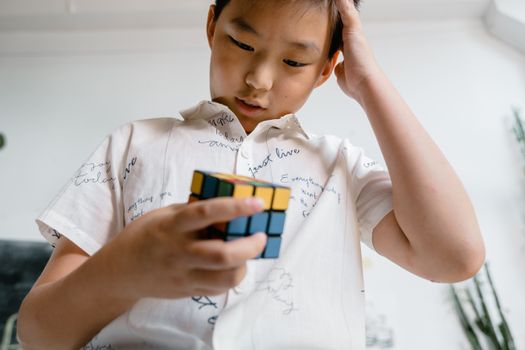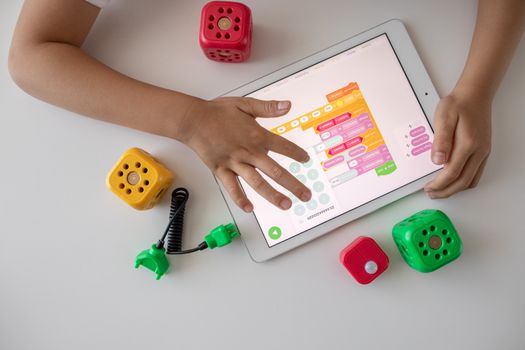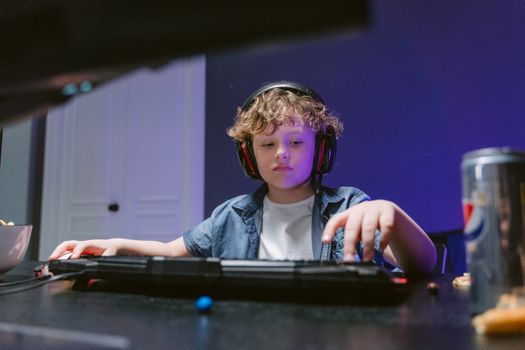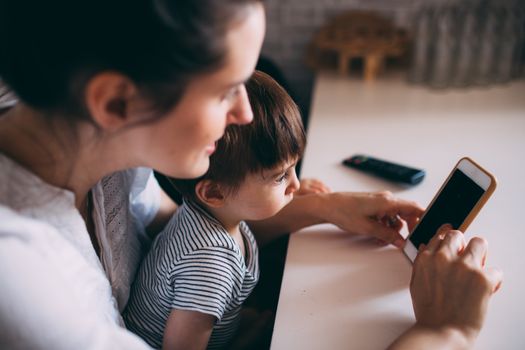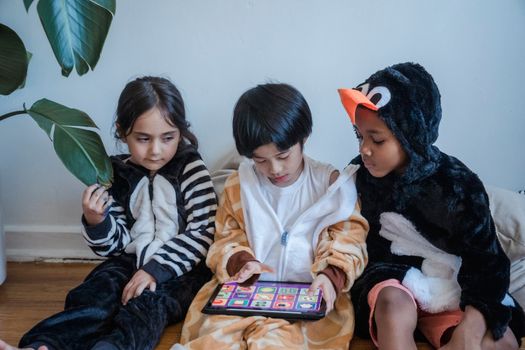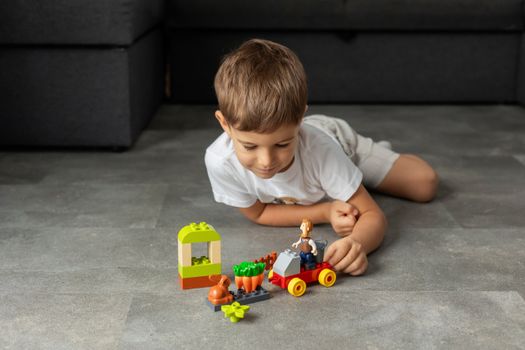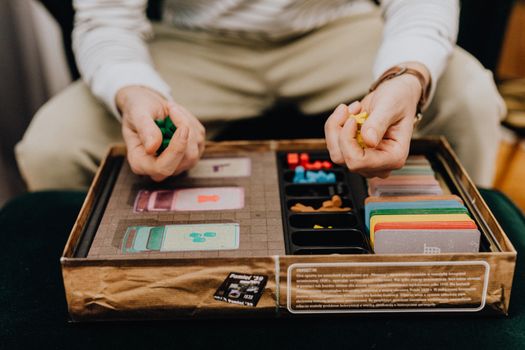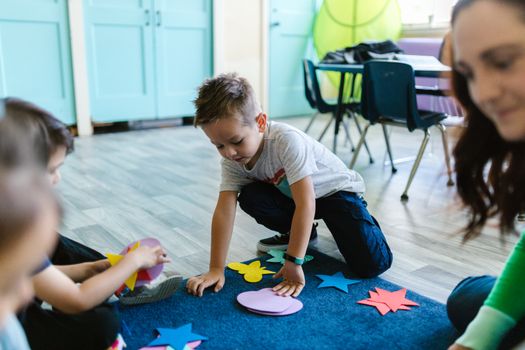
Games—whether played on playgrounds, around kitchen tables, or online—are often dismissed as mere entertainment for children. Yet, a growing body of research reveals that games are powerful tools for developing social skills and empathy in young people. As technology and play environments evolve, understanding how games shape children's social and emotional growth becomes increasingly important for parents, educators, and caregivers. In this article, we'll explore the specific ways games foster empathy and social abilities, the mechanisms behind these benefits, and practical considerations for maximizing the positive impact of play.
The Science Behind Games and Social Development
Games naturally create social situations where children interact, negotiate, and collaborate. According to a 2022 report by the American Academy of Pediatrics, 78% of children aged 5-12 regularly engage in games involving peers, family members, or online friends. This frequent interaction forms a fertile ground for developing social competencies.
Psychologists have long noted that play is essential for learning social norms, understanding perspectives, and building relationships. In structured or free play, children practice taking turns, sharing, resolving conflicts, and reading emotional cues. For instance, board games require players to follow rules and manage winning or losing gracefully, while imaginative role-play games invite children to step into someone else's shoes—a key aspect of empathy.
.png)
Moreover, neuroscientific studies suggest that social play activates brain regions associated with perspective-taking and emotional regulation. A 2021 study published in "Developmental Science" found that children who engaged in regular cooperative play exhibited 30% higher activity in brain areas linked to empathy compared to those who played solo games.
Types of Games: Different Paths to Social Growth
Not all games are created equal when it comes to nurturing social skills and empathy. The format, objectives, and interactions within a game can profoundly influence the kinds of social learning that occur.
| Game Type | Key Social Skills Developed | Empathy-Building Potential | Example |
|---|---|---|---|
| Board & Card Games | Turn-taking, rule-following, negotiation | Moderate | Monopoly, Uno |
| Cooperative Video Games | Teamwork, communication, shared problem-solving | High | Minecraft, Overcooked! |
| Role-Playing Games | Perspective-taking, empathy, storytelling | Very High | Dungeons & Dragons, make-believe play |
| Sports & Physical Games | Leadership, fair play, handling loss | Moderate | Soccer, tag |
| Online Social Games | Digital etiquette, global interaction, collaboration | Varies | Roblox, Animal Crossing |
For example, role-playing games (RPGs) like Dungeons & Dragons or even simple make-believe games allow children to imagine life from someone else’s perspective, directly fostering empathy. Cooperative video games often require real-time communication and coordination, helping children build trust and learn the value of working towards a common goal.
How Games Teach Empathy: Real-World Mechanisms
Games are not just about rules and scores; they are about stories, emotions, and relationships. When children play together, they encounter scenarios that mirror real-life social dynamics. Here’s how games become fertile ground for learning empathy:
1. $1 In role-playing or story-driven games, children step into characters with different backgrounds, motivations, and feelings. This process, known as perspective-taking, is crucial for developing empathy. For example, in story-based video games like "Journey" or "Undertale," players make choices that impact characters' emotions and outcomes, prompting reflection on others' experiences. 2. $1 Disagreements and conflicts are inevitable in most games, from quibbles over rules in a board game to disputes over strategy in a team sport. Navigating these moments teaches children to listen, express themselves, and understand opposing viewpoints—all critical components of empathy. 3. $1 Games provide immediate feedback: a teammate’s gratitude for a helpful move, an opponent’s disappointment, or a partner’s encouragement. Children learn to read these emotional cues and adjust their behavior accordingly, a skill that translates into everyday interactions. 4. $1 Many modern games are rich in narrative, immersing players in stories where emotional investment is key. According to a 2020 study from the University of Oxford, children who engaged with narrative-driven games showed a 15% increase in measures of emotional understanding after just eight weeks.Peer Relationships: Games as Social Laboratories
Children’s peer relationships are deeply shaped by the games they play. Games provide a relatively safe space to experiment with social roles and boundaries. For introverted or socially anxious children, games can be an entry point into group activities, offering a structure that makes socializing less intimidating.
For example, a child who struggles to initiate conversation may find it easier to participate when the context is a board game with clear rules and objectives. Online games can also connect children across distances, helping them form friendships based on shared interests rather than proximity. According to the Entertainment Software Association, 65% of parents in the U.S. report that their children have made friends through online games.
However, it is crucial to distinguish between cooperative and competitive play. While competition can foster resilience and respect, excessive focus on winning may undermine empathy if not balanced by guidance and reflective discussion. Adults play a key role in modeling and reinforcing pro-social behaviors, such as congratulating winners, supporting those who lose, and encouraging inclusive play.
Guiding Children: Maximizing the Social and Emotional Benefits of Games
The positive impact of games on social skills and empathy is not automatic. Intentionality matters. Here are some evidence-based strategies for parents, teachers, and caregivers to help children get the most from their play:
- $1 Opt for games that encourage cooperation, storytelling, or perspective-taking rather than only competition. Games with moral dilemmas or complex characters can be especially effective for teaching empathy. - $1 Adults who play with children can model emotional intelligence, help resolve conflicts, and encourage empathy by asking questions like "How do you think your teammate felt when…?" - $1 Encourage children to talk about what happened during the game. Who felt happy or sad? What could have been done differently? This reflection helps solidify lessons in social awareness. - $1 While online games can build social bridges, face-to-face play often offers richer opportunities for reading body language and emotional cues. - $1 Monitor for signs of exclusion, bullying, or unhealthy competition. Step in when necessary to guide children back toward pro-social play.Challenges and Considerations: Addressing Potential Downsides
While the benefits of games for social skills and empathy are significant, challenges exist. Not all games or gaming environments are positive. For example, some online communities may expose children to toxic behavior or cyberbullying. Competitive games, if not moderated, can lead to frustration or exclusion.
To mitigate these risks, adults should:
- Monitor content and community standards in online games. - Foster open communication about children’s gaming experiences. - Encourage a diversity of game types to ensure balanced development. - Intervene early if patterns of exclusion, aggression, or excessive competitiveness emerge.A 2019 survey by Common Sense Media found that 30% of children reported negative experiences in online games, such as being excluded or insulted. This highlights the ongoing need for adult guidance and supportive environments.
Empathy and Social Skills: Lifelong Impact of Play
The skills children develop through games extend far beyond the playground or screen. Empathy and social competence are linked to better academic performance, healthier relationships, and greater emotional resilience throughout life. According to a 2018 study in "Child Development," children with strong social skills in kindergarten were twice as likely to graduate from college and hold full-time jobs by age 25 compared to peers with weaker skills.
Games provide a unique and enjoyable context for practicing these abilities. By recognizing the power of play and making intentional choices, adults can help children build a foundation of empathy and social intelligence that will serve them for years to come.