The Impact of Online Games on Children's Interpersonal Relationships: What Does Research Say?
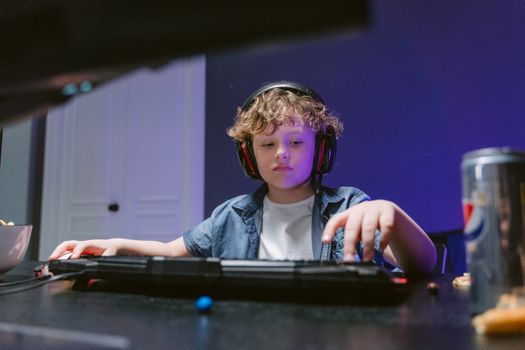
In a world where digital connectivity is woven into daily life, online games have become a central part of many children’s social experiences. According to a 2023 report by Statista, over 73% of children aged 8-15 in the United States play online games regularly. As these virtual playgrounds become more popular, parents, educators, and researchers alike are asking: How do online games shape children’s ability to form and maintain real-world relationships? Do they foster connection or breed isolation? This article delves into the latest research to uncover the nuanced effects of online gaming on children’s interpersonal relationships.
Understanding Online Games: Social Platforms or Isolated Worlds?
The landscape of online games has evolved dramatically in the past decade. No longer limited to single-player experiences, many modern games are now highly interactive and social. Platforms like Roblox, Fortnite, and Minecraft host millions of young users who communicate, collaborate, and compete in real time.
.png)
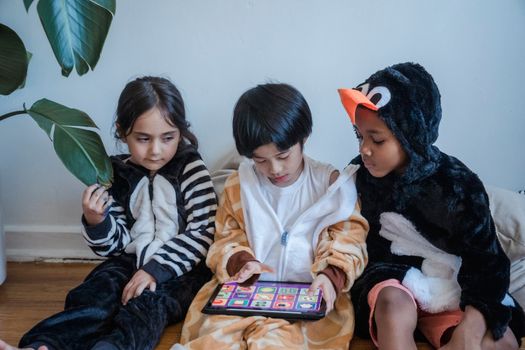
A 2022 Pew Research Center survey found that 60% of children aged 9-17 reported making new friends through online gaming. These games serve as virtual meeting grounds where children can chat, strategize, and even build lasting friendships. For example, more than half of the respondents in a 2021 University of Oxford study said that their closest friends were those they met while gaming online.
However, critics argue that online interactions lack the depth and nuance of face-to-face conversations. Digital communication can limit the ability to read body language, tone of voice, and facial expressions, which are crucial for developing empathy and social skills. The question remains: Do online games supplement or supplant traditional social development?
Positive Social Outcomes: Building Friendships and Teamwork Skills
While concerns exist, research points to several positive outcomes associated with online gaming. Multiplayer games often require players to work together, solve problems, and communicate effectively. These activities can foster a sense of belonging and improve teamwork skills.
For instance, a 2020 study published in Computers in Human Behavior observed that children who played cooperative online games demonstrated higher levels of social confidence and empathy compared to non-gamers. The collaborative nature of games like Among Us or Rocket League encourages negotiation, cooperation, and conflict resolution.
Additionally, online games can offer a safe space for shy or socially anxious children to practice social interactions at their own pace. According to a Child Mind Institute review, children who struggle with face-to-face communication sometimes flourish online, where they feel less pressure and more control.
Potential Downsides: Social Isolation and Cyberbullying Risks
Despite these benefits, online gaming is not without its pitfalls. Excessive gaming can lead to social withdrawal from offline relationships, as children may prioritize virtual interactions over in-person connections. The American Academy of Pediatrics warns that children who spend more than three hours per day gaming are at increased risk for social isolation and decreased participation in extracurricular activities.
Another concern is the prevalence of cyberbullying within online gaming communities. A 2023 survey by Common Sense Media found that 41% of children experienced harassment or bullying while gaming online. Such negative encounters can damage self-esteem and make children wary of forming new relationships, both online and offline.
Moreover, the anonymity of online platforms can sometimes encourage toxic behavior and discourage accountability, making it challenging for children to develop healthy, respectful communication habits.
Online vs. Offline Friendships: How Do They Compare?
To better understand the impact of online games, it’s important to compare the nature and quality of friendships formed in virtual and real-life settings. Research suggests that while both types of friendships can be meaningful, they often serve different purposes in a child’s social development.
Below is a comparison table highlighting key differences:
| Aspect | Online Friendships | Offline Friendships |
|---|---|---|
| Communication Style | Text, voice chat, in-game actions | Face-to-face, nonverbal cues |
| Emotional Support | Available but sometimes limited by anonymity | Often deeper, with more emotional nuance |
| Duration | Can be short-term or long-lasting, often tied to game/activity | More likely to be long-term, based on shared environments |
| Conflict Resolution | May involve blocking/muting, less direct discussion | Requires direct negotiation and problem-solving |
| Accessibility | Global, connects children from diverse backgrounds | Primarily local, based on proximity (school, neighborhood) |
Experts agree that a healthy balance between online and offline relationships is ideal. Both offer unique opportunities for growth, but neither should completely replace the other.
The Role of Parents and Guardians in Shaping Social Outcomes
Parental involvement plays a crucial role in mediating the effects of online gaming on children’s interpersonal skills. Active monitoring and open communication can help guide children toward positive social experiences online.
A 2021 report by the Family Online Safety Institute found that children whose parents regularly discussed online safety and social etiquette reported fewer negative experiences and higher rates of positive interactions. Setting boundaries—such as limiting screen time and encouraging participation in offline activities—can also prevent the risks of social isolation.
Moreover, parents can encourage children to invite their real-life friends to play online, blending digital and offline social circles. This approach helps children transfer social skills learned in one context to the other, reinforcing healthy relationship habits.
Long-Term Implications: What Does the Future Hold?
As technology continues to evolve, the ways children interact will also change. Virtual reality (VR) and augmented reality (AR) are creating even more immersive social experiences, blurring the lines between online and offline worlds. The global online gaming market for children is projected to surpass $24 billion by 2025, according to Newzoo.
Researchers caution that the long-term implications of extensive online gaming are still not fully understood. While some studies suggest that online friendships can be as supportive as offline ones, others warn of potential declines in face-to-face social competence if not balanced appropriately.
Ongoing research is focusing on how hybrid models—where online and offline interactions intersect—can optimize social development. Initiatives that promote digital citizenship, empathy, and respectful communication are becoming increasingly important in school curricula and youth programs.
Key Takeaways on Online Games and Children’s Social Lives
The impact of online games on children’s interpersonal relationships is complex and multifaceted. On the one hand, gaming can foster connection, teamwork, and even deep friendships, especially for children who may struggle in traditional social settings. On the other, it can pose risks of social isolation and expose children to negative behaviors like cyberbullying.
Ultimately, the key lies in balance and guidance. By staying engaged with their children’s online experiences, encouraging healthy gaming habits, and fostering a mix of online and offline relationships, parents can help children reap the social benefits of gaming while minimizing the downsides.