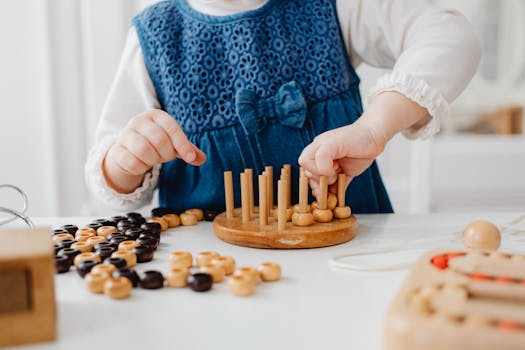
Encouraging preschoolers to develop robust motor skills and coordination is crucial for their overall growth, independence, and readiness for school. As technology, education, and play continue to evolve, parents and educators have an exciting array of games and activities to choose from. While structured sports and digital games have their place, the best results often come from simple, hands-on activities designed for small hands and growing bodies. This article explores the best games for developing motor skills and coordination in preschoolers, including both classic favorites and innovative new options. We’ll also provide practical guidance, comparisons, and tips to help you choose the most effective games for your child’s needs.
The Importance of Motor Skills and Coordination in Early Childhood
Motor skills are divided into two main categories: gross motor skills, which involve large muscle groups (such as running, jumping, and climbing), and fine motor skills, which involve smaller movements (such as picking up small objects, drawing, and buttoning clothes). Coordination refers to the ability to use different body parts together smoothly and efficiently.
Research shows that children who develop strong motor skills in preschool: - Are more likely to excel academically later on - Have higher self-esteem and confidence - Experience fewer behavioral problems - Are at lower risk for obesityAccording to a 2022 report from the Centers for Disease Control and Prevention, only about 24% of children aged 3-5 engage in at least 60 minutes of physical activity per day, the recommended minimum for healthy development. This underscores the need for engaging games that make movement fun and accessible.
.png)
Top Gross Motor Games for Preschoolers
Gross motor games are essential for building strength, balance, and large muscle coordination. Here are some of the best options for preschoolers:
1. $1: Setting up a simple obstacle course using household items (pillows, chairs, hula hoops) encourages running, crawling, jumping, and balancing. Timed runs can add extra excitement, while changing the course layout keeps things fresh. 2. $1: Have children move like different animals—hop like a frog, waddle like a duck, or crawl like a bear. This not only builds physical strength but also sparks imagination. 3. $1: This classic sidewalk game enhances jumping ability, balance, and number recognition. You can use chalk outside or a hopscotch mat indoors. 4. $1: Catching, throwing, and kicking balls of various sizes help improve hand-eye coordination and reaction times. Start with lightweight, soft balls for safety. 5. $1: Dancing to music and freezing when the music stops builds rhythm, coordination, and self-control. According to a 2023 study, children who participate in dance-based games show a 25% improvement in balance and agility compared to non-participants.Fine Motor Games to Boost Precision and Dexterity
Fine motor development is critical for tasks like writing, tying shoes, and self-feeding. Games that target small muscle movements in the hands and fingers are both fun and beneficial:
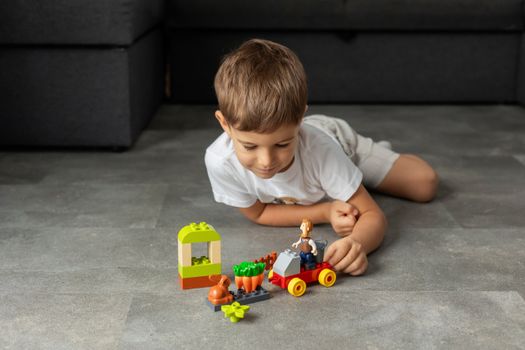
1. $1: Manipulating blocks, LEGO Duplo, or magnetic tiles enhances grip strength and spatial reasoning. In a survey by the Toy Association, 78% of parents reported noticeable improvement in their child's hand dexterity after three months of regular block play. 2. $1: Stringing large beads or weaving laces through cards strengthens pincer grip and coordination. Choose age-appropriate materials with large holes for safety. 3. $1: Large-piece jigsaw puzzles or shape sorters challenge children to use both hands together and problem-solve. 4. $1: Drawing, coloring, and cutting with safety scissors all support fine motor development. Finger painting, in particular, is excellent for tactile exploration. 5. $1: Picking up pom-poms or small toys with child-safe tweezers turns a basic activity into a skill-building exercise.Active Group Games for Social and Physical Growth
Group games not only encourage movement but also foster cooperation, social communication, and turn-taking. Here are some top choices:
1. $1: Using a colorful parachute, children work together to lift and lower the material, toss balls, or play games like “cat and mouse.” This promotes teamwork and upper-body strength. 2. $1: Simple relay races, such as carrying a beanbag on a spoon or jumping in sacks, are perfect for building gross motor skills and learning about friendly competition. 3. $1: This listening-and-movement game helps children practice following directions, body awareness, and impulse control. 4. $1: Running and quickly finding a seat when the music stops is a great way to build agility and quick reflexes. 5. $1: Children mimic the leader’s movements, which can include hopping, skipping, or crawling. This game sharpens observation and coordination skills.Digital Games and Apps: When and How to Use Them
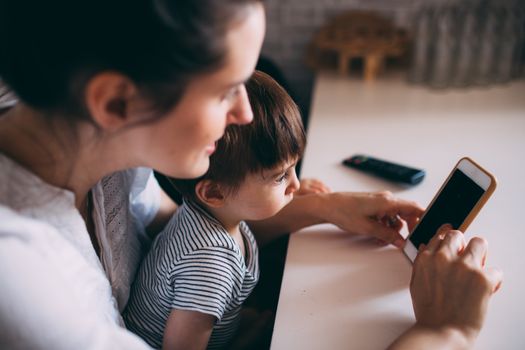
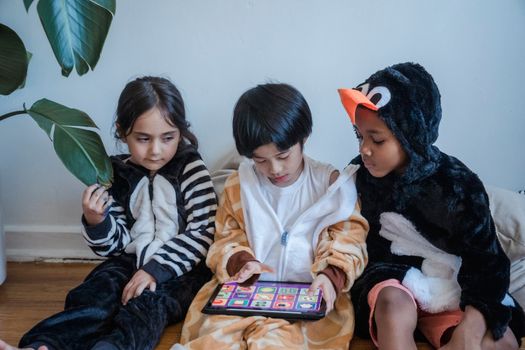
While hands-on, physical play remains the gold standard for motor development, digital games and apps can supplement learning when chosen carefully. The key is moderation and ensuring that screen time doesn’t displace active play.
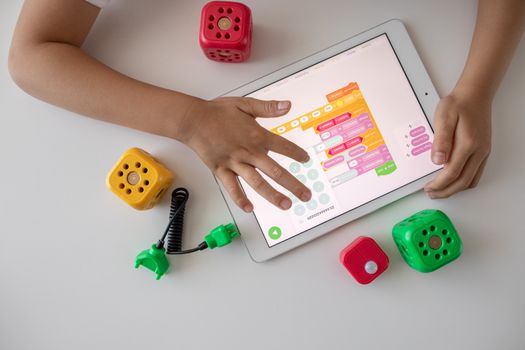
Some of the best-rated apps for fine motor skills include: - $1: Encourages sorting, dragging, and matching objects with a finger - $1: Combines creativity with finger-based navigation - $1: Specifically designed to improve finger strength and coordination through fun mini-gamesA 2021 study published in the journal Pediatrics found that preschoolers using well-designed motor skills apps for up to 15 minutes per day showed a 10% improvement in hand dexterity tests over a two-month period, compared to a control group. However, experts caution that digital play should be an adjunct, not a replacement, for real-world activities.
Comparing Popular Games for Motor Skill Development
To help you choose the best options for your child, here’s a comparison of popular games and activities for developing motor skills and coordination:
| Game/Activity | Motor Skill Type | Social Interaction | Recommended Age | Estimated Setup Cost |
|---|---|---|---|---|
| Obstacle Course | Gross | Solo/Group | 3+ | $0-$30 (household items) |
| Building Blocks | Fine | Solo/Group | 2+ | $15-$50 |
| Parachute Play | Gross | Group | 3+ | $20-$40 |
| Threading Beads | Fine | Solo/Pair | 3+ | $5-$20 |
| Dance and Freeze | Gross | Group | 3+ | Free (music) |
| Digital Apps | Fine | Solo | 3+ | Varies (device + app cost) |
This table highlights how a mix of free or low-cost activities can cover both gross and fine motor skill development, often with the added benefit of social engagement.
Creative Ways to Integrate Motor Skill Games into Daily Life
Developing motor skills doesn’t always require special equipment or dedicated time blocks. Here are some everyday strategies:
- $1: Encourage your child to help with dressing, carrying groceries, or setting the table. Tasks like pouring water, buttoning, or wiping surfaces reinforce both fine and gross motor movements. - $1: Collecting leaves, jumping over puddles, or climbing on playground equipment naturally develops coordination. - $1: Invite friends over for group games, which blend physical activity with social learning. - $1: Keep a basket of crayons, scissors, and musical instruments within reach for spontaneous creativity and movement.Incorporating motor skill games into regular routines ensures consistency and keeps learning fun and pressure-free.
The Lasting Benefits of Motor Skill Games for Preschoolers
Investing time in motor skill and coordination games pays off well beyond preschool. Children with strong motor foundations are more likely to enjoy sports, participate confidently in classroom activities, and have fewer struggles with tasks like handwriting or self-care. The skills gained through these playful activities also lay the groundwork for problem-solving, independence, and positive social interactions.
By choosing a variety of games—balancing gross and fine motor challenges, solo and group play, and even a little technology—you’ll support your child’s development in a holistic and enjoyable way. Regular play not only builds stronger bodies but also happier, more resilient children ready for the next stage of learning.