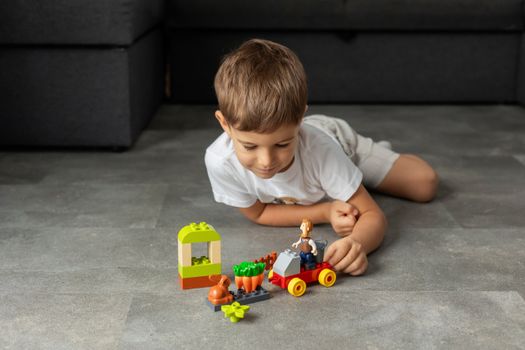
Selecting the right online game for your child isn’t just about fun—it’s an opportunity to foster creative thinking, problem solving, and imagination. In today’s digital landscape, thousands of online games claim to be “educational” or “creativity-boosting,” but not all are created equal. As a parent or educator, knowing what to look for can make all the difference in nurturing a child’s creativity through play. In this guide, we’ll explore what makes an online game ideal for developing creative thinking in children, which features to prioritize, and how to make informed, confident choices.
Understanding Creative Thinking in Children
Creative thinking is the ability to look at problems or situations from a fresh perspective, come up with new ideas, and make connections between seemingly unrelated concepts. It’s a crucial skill for children, laying the groundwork for innovation, adaptability, and lifelong learning.
According to a 2023 report from the World Economic Forum, creativity ranks among the top five skills needed for future workforce success. The same report found that children exposed to creative activities from an early age score 20% higher in problem-solving assessments by the age of 12 compared to peers with less exposure.
.png) Online games, when chosen thoughtfully, can foster this skill by:
- Encouraging open-ended play and experimentation
- Providing scenarios for decision-making
- Presenting challenges that require creative solutions
- Allowing children to build, design, or create content
Online games, when chosen thoughtfully, can foster this skill by:
- Encouraging open-ended play and experimentation
- Providing scenarios for decision-making
- Presenting challenges that require creative solutions
- Allowing children to build, design, or create content
But with so many options available, how do you pick the best game to develop your child’s creative thinking?
Key Features of Online Games That Nurture Creativity
Not all online games are equally effective for sparking creative thought. Here are the essential features to look for when evaluating a game’s potential:
1. $1 Games that don’t have a single “right” answer, but instead offer multiple pathways, outcomes, or building options, are best for stimulating imagination. Sandbox-style environments or games with user-generated content are excellent examples. 2. $1 Creative thinking flourishes when kids are presented with challenges that can be solved in various ways. Games that require constructing solutions, designing strategies, or experimenting with resources help children think outside the box. 3. $1 Games that let children design their own levels, characters, or environments empower them to express themselves and explore new ideas. 4. $1 Many online games allow children to collaborate, share their creations, or work in teams. This social aspect not only enhances creativity but also builds communication skills. 5. $1 The best games grow with your child. Look for platforms that offer adjustable levels of complexity, ensuring continued engagement and creative challenge as skills develop.Comparing Top Online Games for Creative Thinking
To help you make an informed choice, here’s a comparative overview of some of the most popular online games known for fostering creativity in children. This table highlights key features, recommended ages, and unique creative opportunities provided by each.
| Game Title | Recommended Ages | Creative Features | Gameplay Style | User Rating (2024) |
|---|---|---|---|---|
| Minecraft | 7+ | Building, Redstone circuits, Mods | Sandbox, open-world | 4.8/5 |
| Roblox | 8+ | Game creation, Coding, Social play | User-generated games | 4.6/5 |
| LittleBigPlanet (Online) | 7-14 | Level design, Puzzle solving | Platformer, creation tools | 4.7/5 |
| Kerbal Space Program | 10+ | Spacecraft design, Physics simulations | Simulation, Sandbox | 4.5/5 |
| Scribblenauts Unlimited | 7-12 | Word-based creation, Puzzle solving | Adventure, Puzzle | 4.4/5 |
As shown above, each game offers distinct creative features and caters to different age groups. For example, Minecraft’s building mechanics appeal to a broad range of ages and encourage both engineering and artistic creativity, while Scribblenauts Unlimited uniquely develops verbal creativity and lateral thinking through its open-ended word puzzles.
Evaluating Online Games: Practical Steps for Parents
With a sense of what to look for, here’s a step-by-step approach to evaluating online games for your child’s creative development:
1. $1 Don’t rely solely on the game’s promotional materials. Seek out reviews from educational experts, trusted parenting websites, and other parents. 2. $1 Ensure the game’s content, language, and community features are suitable for your child’s age and maturity level. According to Common Sense Media, 67% of parents consider age ratings as their top criterion for game selection. 3. $1 Whenever possible, play the game or watch gameplay videos. This firsthand experience lets you assess whether it offers genuine creative opportunities and a safe environment. 4. $1 Look for robust parental controls, especially in games with online interactions. These tools can help manage screen time, restrict in-game purchases, and moderate contact with other players. 5. $1 The American Academy of Pediatrics recommends no more than 1-2 hours of recreational screen time per day for children aged 6-12. Integrate online creative games into a balanced routine that includes offline creative activities as well.The Role of Adult Guidance in Creative Online Play
While online games can be powerful tools for creative growth, adult involvement enhances their impact. Here’s how you can support your child’s creative journey:
- $1 Playing together or discussing in-game creations encourages children to articulate their ideas and reflect on their choices. - $1 Remind children that there are no “wrong” answers in creative games. Celebrate their unique solutions and encourage them to try new approaches. - $1 Use in-game activities as inspiration for real-world projects. For example, after building a castle in Minecraft, try drawing it on paper or constructing it with blocks. - $1 In games with social features, regularly check in to ensure positive interactions and address any concerns about online safety.A 2022 study by the Joan Ganz Cooney Center found that children whose parents actively participated in their online creative play were 30% more likely to persist in problem-solving tasks and report higher enjoyment levels.
Spotting Red Flags: What to Avoid in Online Games
While many online games are beneficial, some may hinder rather than help creative development. Be wary of games that:
- $1 Games with highly linear paths, excessive hand-holding, or little room for player choice don’t foster creative thinking. - $1 Games that focus on microtransactions or reward loops can distract from creativity and foster unhealthy gaming habits. - $1 Games with poorly moderated chat features or a history of toxic communities can be risky for children. - $1 Always vet games for age-appropriate language, themes, and visuals.By staying alert to these red flags, you can ensure your child’s online playtime is both safe and creatively enriching.
Final Thoughts on Choosing the Best Online Game for Creative Thinking
Choosing the best online game to nurture your child’s creative thinking is a thoughtful process. The goal is to find a balance: a game that is engaging, age-appropriate, and genuinely open-ended, with tools for imagination and problem-solving. Remember to look beyond marketing claims and invest time in understanding the game’s mechanics, community, and educational value.
By prioritizing open-ended gameplay, creation tools, and positive social features, and by staying actively involved in your child’s play, you set the stage for a lifelong love of learning and creativity. The digital world offers incredible opportunities—let’s help our children make the most of them.