Choosing Educational Games That Engage Even the Most Restless Children: Strategies for Success
Children are naturally curious, but some are especially energetic and find it hard to sit still or focus for long. For parents and educators, selecting educational games that truly capture the attention of these restless children can be a challenge. With the explosion of digital platforms and the ever-growing variety of learning games, it’s easy to feel overwhelmed. However, by understanding what sparks engagement and recognizing key features in educational games, you can foster learning even in kids who rarely sit still.
This guide will help you navigate the process of choosing educational games that not only teach core skills but also hold the interest of the most active and easily distracted children. From understanding the science of engagement to practical selection tips and a comparison of top game features, you’ll find everything you need to make informed choices that benefit both restless learners and their families.
.png)
Understanding Restless Children: Why Engagement Is Key
Restless children—those who fidget, lose focus quickly, or constantly seek new stimuli—often need more than traditional teaching tools. According to the Centers for Disease Control and Prevention (CDC), about 9.8% of children in the U.S. have been diagnosed with ADHD, a condition often associated with high levels of restlessness and distractibility. But even without a diagnosis, many children display high energy and short attention spans, especially in today's fast-paced digital world.
Engagement is the linchpin for learning in such children. Research from the American Psychological Association shows that when kids are actively engaged, they retain information better and demonstrate improved problem-solving skills. Games that stimulate curiosity, offer quick feedback, and let kids move or interact physically are especially effective.
Key engagement triggers for restless children include: - Fast-paced gameplay with immediate feedback - Frequent changes in activity or scenery - Opportunities for movement or hands-on interaction - Short, manageable tasks with clear rewardsUnderstanding these triggers is the first step in selecting games that won’t just be tolerated, but eagerly anticipated.
Core Features to Look for in Educational Games for Restless Learners
Not all educational games are created equal—especially when it comes to engaging high-energy children. To maximize both learning and enjoyment, focus on these essential features:
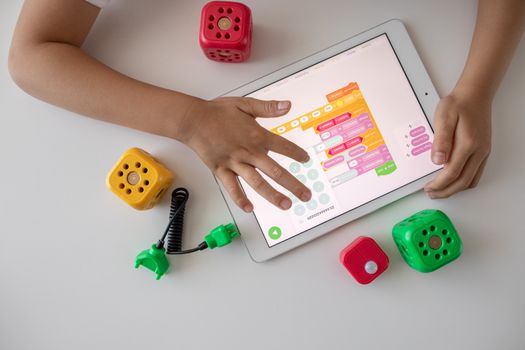
1. $1: Games that require physical movement, such as dancing, jumping, or manipulating objects, help channel energy constructively. For instance, products like Osmo and LeapFrog use physical pieces along with digital interfaces to keep hands and minds busy. 2. $1: Restless children benefit from games that offer brief, clearly defined challenges. According to a 2022 study published in the journal "Learning and Behavior," children age 6-9 maintained focus 42% longer when tasks lasted under five minutes and provided instant feedback. 3. $1: Look for games that adjust their difficulty in real time. This keeps children from getting frustrated or bored, both of which can lead to disengagement. 4. $1: Games that weave learning into stories or adventures keep curiosity piqued. For example, "Zoombinis" uses a journey-based format to teach logic skills. 5. $1: Visual progress bars, badges, or in-game rewards tap into children’s love for achievement and help them see their own growth. 6. $1: Combining sound, visuals, and touch helps reinforce learning and caters to different learning styles.Comparing Game Types: Which Formats Work Best?
Educational games come in many forms, from traditional board games to high-tech apps and motion-based console games. Each has its strengths and weaknesses when it comes to engaging restless children. Here’s a comparative overview:
| Game Type | Best For | Engagement Features | Potential Drawbacks |
|---|---|---|---|
| Physical/Digital Hybrids (e.g. Osmo) | Hands-on learners | Movement, tactile feedback, instant results | Requires device & special pieces |
| Motion-Based Video Games (e.g. Nintendo Switch, Xbox Kinect) | Very active children | Full-body movement, fast pace, high stimulation | Equipment cost, space needed |
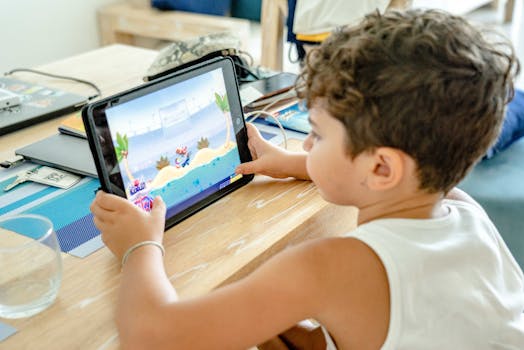
| Interactive Apps | On-the-go learning | Short levels, adaptive challenge, colorful visuals | Screen time concerns, less physical activity |
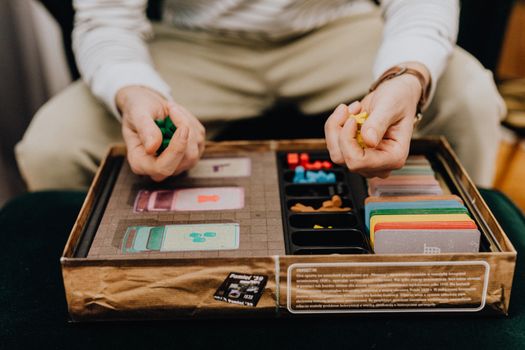
| Board/Card Games | Social learning, family play | Face-to-face interaction, turn-taking | May require patience, setup time |
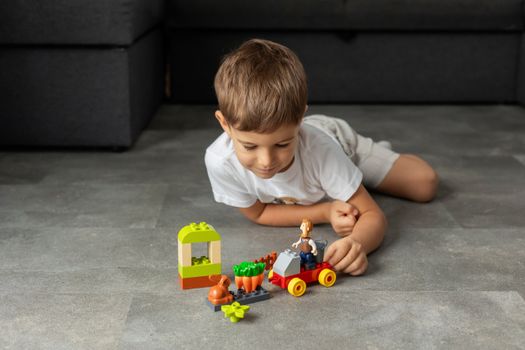
| Outdoor Learning Games | Nature lovers, group play | Physical movement, sensory engagement | Weather-dependent, less structured |
As the table shows, there’s no one-size-fits-all solution. Many families and educators find the greatest success by mixing formats—combining digital games with outdoor or physical play to keep things fresh and engaging.
How to Assess Engagement Before Buying or Downloading
Before investing time or money in a new educational game, it’s wise to assess its potential for engagement—especially for children who are prone to boredom or distraction. Here’s a practical checklist to guide your evaluation:
- $1 Many online games and apps offer free trials or demo versions. Take advantage of these to gauge your child’s level of interest. - $1 YouTube and other platforms feature gameplay demos and reviews. Pay attention to the pacing, visuals, and whether kids are actively participating. - $1 Look for feedback specifically mentioning success with high-energy or easily distracted children. - $1 Games that let you adjust session length, difficulty, or activity type are more likely to meet your child’s needs. - $1 The best indicator is your own child’s reaction. If they’re smiling, asking questions, or moving along with the game, you’re on the right track.According to a report by Common Sense Media, 73% of parents who tested multiple educational games before choosing reported higher satisfaction and better learning outcomes.
Tips for Integrating Educational Games into Busy Lives
Even the most engaging game can lose its appeal if it’s not integrated thoughtfully into daily routines. Here’s how to maximize the benefits, especially for restless learners:
- $1 For children with short attention spans, 10-15 minute sessions are often ideal. Several brief sessions spread throughout the day can be more effective than one long stretch. - $1 Alternate between sitting games and those that encourage movement. For example, follow a math app session with a scavenger hunt that reinforces the same skills. - $1 Educational games can be powerful tools for transitioning between activities, helping children settle down after recess or refocus after a meal. - $1 Recognize progress with small rewards, praise, or by sharing successes with family members. This reinforces motivation and builds positive associations. - $1 Play alongside your child, ask questions, and encourage them to explain what they’re learning. This not only boosts engagement but also deepens understanding.A 2021 study by the Joan Ganz Cooney Center found that children were twice as likely to return to educational games when parents or caregivers played with them and showed genuine interest.
Real-Life Examples: Educational Games That Captivate Active Kids
To provide concrete inspiration, here are three educational games that have proven especially effective for engaging restless children:
1. $1 A favorite in both classrooms and homes, GoNoodle offers a mix of movement-based learning videos and games. With over 14 million kids using the platform in the U.S. alone, it’s credited with helping children burn energy while reinforcing math, reading, and social skills. 2. $1 Blending physical game pieces with interactive tablet play, Osmo’s kits allow children to draw, build, or solve puzzles, with instant digital feedback. Studies show that tactile learning tools like Osmo can increase engagement by up to 60% in children who otherwise struggle to focus. 3. $1 These app-based games make math fun by turning equations into puzzles and stories. Adaptive difficulty ensures that children are always challenged, but not overwhelmed—a key for keeping restless minds engaged.Each of these options incorporates the core features discussed earlier—active participation, quick feedback, and opportunities for movement or creative input.
Final Thoughts on Choosing Educational Games for Restless Children
Finding educational games that truly engage restless children is both an art and a science. By focusing on active involvement, short and rewarding sessions, adaptive challenges, and multi-sensory engagement, you can transform learning into an adventure—even for children who usually struggle to stay on task.
Remember, the best games for your child are those that spark joy, curiosity, and a desire to keep coming back for more. With thoughtful selection and a willingness to experiment, you can unlock powerful learning experiences that stick with even the most energetic and distractible kids.