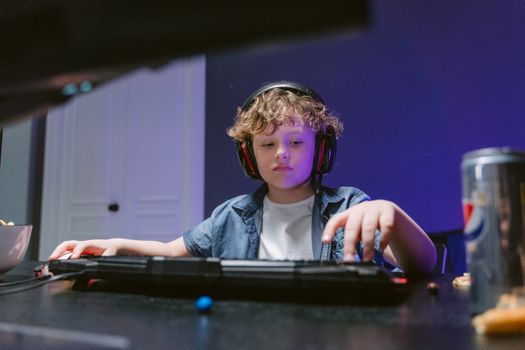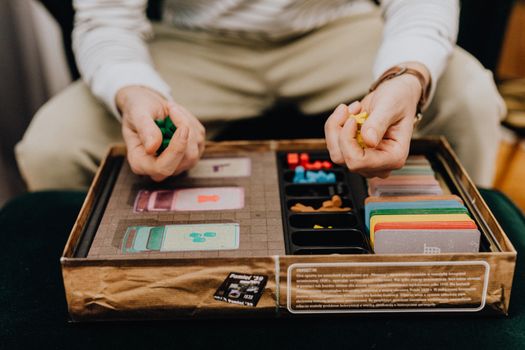
In the era of digital entertainment, free gaming has surged in popularity, attracting millions of players worldwide. These free-to-play (F2P) games, available on platforms ranging from smartphones to gaming consoles, offer vast entertainment without upfront costs. However, as these games integrate more deeply into daily life, they prompt a critical inquiry: Is free gaming simply a leisure activity, or does it have the potential to become an addictive behavior?
Understanding Free Gaming
Free-to-play games are accessible without purchase, generating revenue through advertisements, in-game purchases, or microtransactions. This model removes financial barriers to entry, significantly broadening their appeal and user base.
.png)
The Appeal of Free Games
The accessibility and entertainment value of free games are undeniable. They provide an easy escape from daily stress, offering relaxation and enjoyment at no initial cost. Moreover, many games foster a sense of community and competition, connecting players from around the world.
When Gaming Becomes a Hobby
For the majority, gaming remains a beneficial hobby. It has been shown to enhance cognitive abilities like problem-solving and hand-eye coordination. Furthermore, when played in moderation, gaming can be educational and socially enriching. It serves as a source of enjoyment and can even boost personal growth.
The Path to Addiction
Problems arise when gaming starts to eclipse essential aspects of life such as work, education, and relationships. Addiction manifests when gaming becomes the main priority, often at the expense of other life areas, leading to adverse outcomes. The addictive nature of some free games, characterized by rewarding mechanisms and continual updates, can exacerbate this issue, compelling players to invest excessive time or money.
Recognizing the Signs of Addiction
Identifying gaming addiction involves noticing certain behaviors:
- Preoccupation with gaming throughout the day.
- Irritability or restlessness when unable to play.
- Persisting in gaming despite its negative repercussions.
- Concealing the extent of gaming.
- Using gaming as an escape from real-life challenges.
Acknowledging these signs is crucial in addressing and managing gaming habits.
Balancing Gaming
Maintaining a healthy balance with gaming is essential to ensure it remains a hobby rather than an addiction. Strategies like setting gaming limits, taking breaks, and engaging in various activities can help keep gaming in check. It's also vital to reflect on the underlying reasons for gaming; if it's primarily used as a coping mechanism for stress or emotional issues, alternative strategies should be considered.
The Role of Developers and Society
Both game developers and society have responsibilities in mitigating gaming addiction. Developers can design games that are engaging yet not exploitative, and implement features that help players manage their gaming time and spending. Society can support those struggling with addiction through counseling, resources, and awareness initiatives.
Conclusion
Free gaming can be a rewarding and enriching hobby, but it requires awareness and self-regulation to prevent it from becoming an addictive behavior. Players need to be mindful of their gaming habits and strive for a balanced lifestyle. As the gaming industry evolves, both developers and players must work together to foster environments that prioritize well-being and enjoyment over compulsive gaming behaviors.