Games That Help Children Understand the Basics of Programming: Nurturing Young Coders
Children today are growing up in a digital world, where understanding technology is as fundamental as reading and math. But how do you introduce kids to the seemingly complex world of programming? The answer is simpler than you might think: games. Over the past decade, educational games have transformed the way children learn coding concepts. They turn abstract ideas like logic, sequencing, and problem-solving into playful adventures, making programming not just accessible, but genuinely fun. In this article, we’ll explore how games can ignite a love for coding in kids, highlight the most effective options, examine their learning approaches, and offer practical tips for parents and educators.
How Games Simplify Programming Concepts for Kids
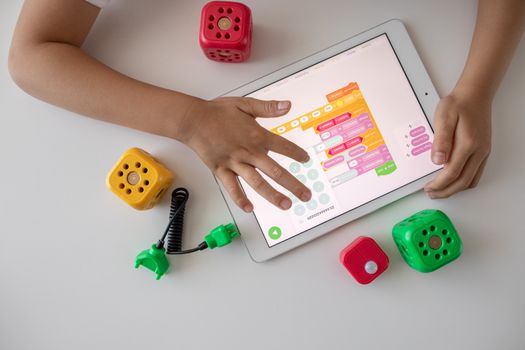
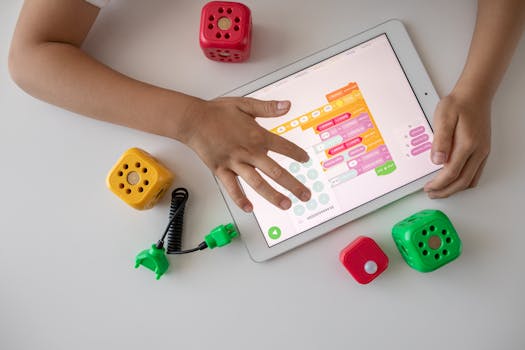
For many children, the word "programming" conjures images of endless lines of text on black screens. Educational games demolish these barriers by translating coding principles into visual, interactive challenges. Instead of typing out code, young learners snap together colorful blocks, move characters through mazes, or solve puzzles by arranging commands.
This visual, hands-on approach works wonders for children’s comprehension. According to a 2022 study by the Education Development Trust, kids aged 6-11 who used coding games scored 23% higher in computational thinking assessments compared to peers who learned through traditional methods. The secret is that these games break down complex ideas:
.png) - $1 Kids learn that the order of instructions matters, just as in a recipe.
- $1 Games introduce repetition without redundancy, showing how actions can be repeated to achieve a goal.
- $1 Players see how “if-then” statements affect outcomes in real time.
- $1 When things don’t work as expected, kids learn to diagnose and fix errors, building resilience and patience.
- $1 Kids learn that the order of instructions matters, just as in a recipe.
- $1 Games introduce repetition without redundancy, showing how actions can be repeated to achieve a goal.
- $1 Players see how “if-then” statements affect outcomes in real time.
- $1 When things don’t work as expected, kids learn to diagnose and fix errors, building resilience and patience.
By making coding interactive and rewarding, these games lay a solid foundation for deeper programming skills later on.
Top Coding Games for Different Age Groups
The best coding games are tailored to age and development level, ensuring that children are neither overwhelmed nor bored. Here’s a look at standout options across age groups:
- $1 - $1 An engaging physical toy where children arrange interchangeable segments, each representing a command. The Code-a-Pillar moves accordingly, teaching sequencing and cause-effect relationships. - $1 An app with vibrant alien worlds, introducing basic logic and pattern recognition through drag-and-drop puzzles. - $1 - $1 A simplified version of MIT’s famous Scratch platform, allowing kids to animate stories by connecting color-coded blocks. - $1 A puzzle game where players guide a robot to light up tiles, covering sequencing, loops, and conditionals. - $1 - $1 Integrates block-based and JavaScript coding to manipulate the Minecraft world, blending creativity with real programming. - $1 Offers a progression from visual programming to real languages like Python, with game-based courses and interactive challenges.| Game | Recommended Age | Main Features | Programming Concepts |
|---|---|---|---|
| Code-a-Pillar | 5-7 | Physical toy, sequencing | Order of commands, cause-effect |
| Kodable | 5-7 | App, drag-and-drop | Logic, patterns |
| ScratchJr | 8-10 | App, animation | Sequencing, basic loops |
| Lightbot | 8-10 | Puzzle game | Loops, conditionals |
| Minecraft: Code Builder | 11+ | In-game coding, creativity | Block-based and text coding |
| Tynker | 11+ | Courses, real languages | Python, JavaScript, game design |
Game Mechanics That Reinforce Programming Skills
Not all games are equally effective at teaching programming. The most successful ones share several key mechanics that drive learning:
1. $1 Coding games show kids the result of their actions instantly. If a robot bumps into a wall or a character doesn’t reach its goal, children can see what went wrong and experiment with solutions. This rapid iteration cycle is crucial for developing debugging skills. 2. $1 Well-designed games introduce new concepts gradually. For example, Lightbot starts with simple movement and slowly adds loops and conditionals, ensuring kids master each idea before moving on. 3. $1 Progress is often marked by unlocking levels, earning badges, or customizing characters. This gamification keeps children motivated and eager to tackle tougher problems. 4. $1 Platforms like Scratch and Minecraft: Education Edition let kids build their own games or stories, encouraging experimentation and creativity alongside structured learning.These mechanics mirror professional programming—experimenting, testing, and refining—while keeping the process approachable.
Real-World Impact: Coding Games in Schools and Homes
Educational games are not just a trend; they’re making a measurable difference in classrooms and households worldwide. According to Code.org, over 72 million students in more than 180 countries have participated in the "Hour of Code," using game-based tutorials to learn programming basics.
Schools have reported notable improvements. The UK’s Computing at School initiative found that primary students who used Scratch for 12 weeks improved their logical thinking skills by 37% compared to those who followed a traditional ICT curriculum. At home, parents observe that children who play coding games often become more persistent and detail-oriented, skills that extend beyond the screen.
Moreover, coding games help bridge the gender gap in technology. A 2021 study by the Girl Scouts Research Institute found that girls who engaged with coding games were 2.5 times more likely to express interest in computer science careers compared to those who did not.
Choosing the Right Programming Game for Your Child
With so many choices, selecting the best game for your child’s needs and interests is important. Here are some factors to consider:
- $1 Ensure the game matches your child’s reading level and cognitive skills. Younger kids benefit from tactile or visual games, while older children can handle more abstract concepts. - $1 Some games focus on logic and sequencing, while others introduce actual programming languages. Match the game to your child’s learning goals. - $1 Consider whether the game is available on your preferred device—tablet, computer, or even as a physical toy. - $1 Look for games developed with input from educators or backed by educational organizations.Reading reviews and, if possible, trying demos with your child can help you gauge engagement and suitability. Remember, the best learning happens when kids are having fun!
Encouraging Lifelong Interest in Technology Through Play
Programming games do more than teach code—they foster a mindset of curiosity, experimentation, and creative problem-solving. Children who start with playful coding games often progress to more advanced platforms like Python, Java, or web development as teenagers. Some even participate in coding competitions or create their own apps.
Parents and educators can nurture this journey by:
- Participating in coding activities with their children - Encouraging exploration beyond the game, such as building simple websites or robotics kits - Celebrating milestones, whether it’s completing a level or designing a new gameBy making programming approachable and enjoyable from an early age, we set the stage for kids to thrive in a technology-driven future.