Games as a Tool for Improving Cooperation and Teamwork Among Children
In a world increasingly focused on individual achievement, teaching children the value of cooperation and teamwork is more important than ever. Parents, educators, and psychologists recognize that strong social skills are foundational for success, both in school and in life. One effective and engaging method for nurturing these skills is through games—both traditional and digital. Games provide a dynamic environment where children can practice working together, communicating, problem-solving, and sharing responsibilities. But how, exactly, do games foster these abilities, and what types of games are most effective? Let’s explore the powerful role games play in developing cooperation and teamwork among children.
The Science Behind Cooperative Play
Cooperation is a learned behavior. According to research from Stanford University, children as young as four can demonstrate cooperative behaviors when placed in scenarios that require joint effort. Games, by their very nature, create opportunities for children to experience the benefits of working toward a common goal. A 2021 study published in the Journal of Applied Developmental Psychology found that children who regularly engaged in cooperative games were 23% more likely to exhibit prosocial behaviors, such as helping and sharing, compared to those who played competitive or solo games.
Cooperative play stimulates areas of the brain responsible for empathy, impulse control, and complex social reasoning. The act of collaborating—whether to solve a puzzle or win a team challenge—requires children to listen, negotiate, and sometimes compromise. These are the building blocks of healthy relationships and effective teamwork.
.png)
Types of Games That Foster Teamwork
Not all games are created equal when it comes to promoting cooperation. The most effective games require players to rely on one another, pool resources, or coordinate actions to achieve a shared objective. Here are some categories of games that are particularly effective:
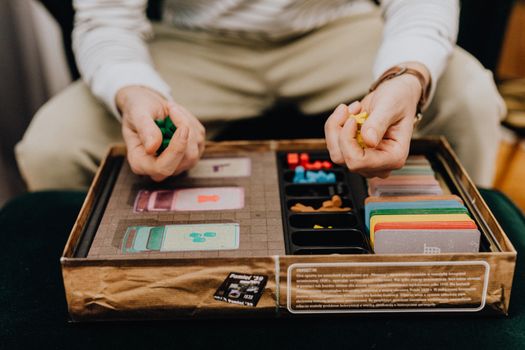
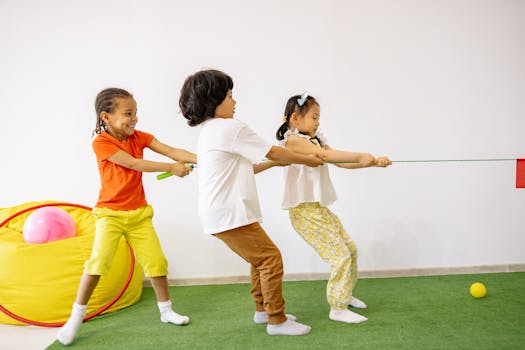
1. $1: Titles like "Pandemic" and "Forbidden Island" require players to work together, strategize, and share information to beat the game rather than each other. Studies show children aged 7-12 who play cooperative board games report higher enjoyment and stronger group cohesion. 2. $1: Soccer, basketball, and volleyball are classic examples. These sports demand communication, trust, and a division of roles. The American Academy of Pediatrics reports that children involved in team sports are 35% more likely to describe themselves as "good at making friends." 3. $1: Online games such as "Minecraft" (in cooperative mode) or "Overcooked" encourage players to complete tasks together, often under time pressure. A 2023 survey revealed that 68% of children between 8-14 believe that playing online collaborative games helped them work better in groups at school. 4. $1: Tabletop and live-action RPGs like "Dungeons & Dragons" immerse children in shared storytelling, where teamwork is essential to progress. 5. $1: Activities like relay races or scavenger hunts develop not just physical coordination but also collaborative planning and execution.Real-World Skills Children Learn Through Cooperative Games
When children participate in games that require teamwork, they’re not just having fun—they’re building critical life skills. Here are some of the key competencies they develop:
- $1: Explaining ideas, listening to others, and clarifying goals are all central to effective gameplay. - $1: Disagreements are inevitable; games provide a safe space to practice negotiation and compromise. - $1: Taking turns leading a team, assigning roles, and learning when to follow are all valuable lessons. - $1: Relying on teammates to fulfill their roles fosters mutual trust. - $1: Planning ahead and anticipating the needs and actions of others builds cognitive flexibility.A concrete example is the board game "Forbidden Island," where players must share resources and plan as a unit to retrieve treasures. Success is impossible without delegation and communication. Similarly, in the digital game "Overcooked," players must coordinate roles—such as chopping, cooking, or serving food—while managing timed challenges. These shared experiences translate directly to classroom projects, group assignments, and social interactions.
Comparing Cooperative and Competitive Games: Key Differences
To better understand the unique benefits of cooperative games, let's look at how they differ from competitive games in terms of skill development and social impact.
| Aspect | Cooperative Games | Competitive Games |
|---|---|---|
| Main Objective | Achieve a shared goal together | Win against others |
| Social Interaction | Promotes collaboration, empathy, and group problem-solving | May create rivalry, focus on individual achievement |
| Emotional Impact | Fosters team spirit and mutual support | Can lead to frustration or exclusion for less skilled players |
| Skill Emphasis | Teamwork, communication, trust | Competitiveness, strategy, individual skills |
| Long-Term Benefits | Builds social skills, reduces social anxiety, increases cooperation | Improves resilience, teaches how to handle loss and victory |
This comparison makes it clear that while competitive games have their place, cooperative games are particularly powerful for nurturing teamwork and inclusive group dynamics.
Implementing Cooperative Games in Schools and Homes
Integrating cooperative games into daily routines doesn’t require expensive materials or elaborate setups. Here are some practical strategies for parents and educators:
- $1: In both board games and sports, encourage children to try different positions or responsibilities to broaden their experience. - $1: After a game, facilitate a brief discussion about what strategies worked, what challenges arose, and how the group overcame obstacles. - $1: Choose games that are accessible to all skill levels, ensuring everyone can participate and contribute. - $1: Replace some traditional competitive games with cooperative ones to strengthen family bonds and model teamwork. - $1: Use collaborative games as icebreakers or as part of lesson plans to reinforce academic and social learning.A 2022 report from the UK-based National Literacy Trust found that classrooms regularly using cooperative games saw a 19% improvement in students’ reported sense of belonging and peer support.
Success Stories: Cooperation in Action
The impact of cooperative games can be seen in real-life examples. At Lincoln Elementary School in Illinois, teachers introduced weekly cooperative board game sessions for third graders. Within six months, teachers reported a 30% drop in playground disputes and a marked improvement in group project participation.
Similarly, a summer camp in Toronto designed around collaborative digital challenges saw campers rate their teamwork skills 25% higher at the end of the session compared to the start, according to post-camp surveys.
These stories demonstrate that, with intentional use, games can shift group dynamics, foster empathy, and help children embrace the power of working together.
Final Thoughts on Games as a Pathway to Teamwork
Games are not just a source of entertainment for children—they are a practical, enjoyable way to develop essential social skills. By engaging in cooperative play, children learn to communicate, collaborate, lead, and support each other. These abilities serve them well beyond childhood, laying a strong foundation for success in school, friendships, and future careers.
For parents and educators, the takeaway is clear: intentionally including cooperative games in children’s routines can yield substantial benefits. Whether through board games, digital adventures, or team sports, the lessons learned in play often become the skills that matter most in life.